
The Role of Side Tables in Daily Living
Side tables serve as convenient surfaces for items used throughout the day. From placing a book or a cup to supporting lighting or decorative objects, they enhance comfort without requiring large amounts of space. In living rooms, side tables often complete seating arrangements by providing balance and accessibility. In bedrooms, they support bedside routines. Their versatility makes them essential in many areas of the home.
Choosing the Right Height for Side Tables
Height is one of the most important considerations when selecting a side table. A table that is too tall or too low can feel awkward and reduce usability. Ideally, the side table height should align closely with the arm or seat height of nearby furniture. Maintaining consistent height relationships helps create visual harmony and ensures that the table remains easy to use during everyday activities.
Understanding Proportion and Scale
Proportion determines how naturally a side table fits into a room. Oversized tables can overwhelm small seating areas, while undersized tables may feel insignificant or impractical. When selecting a side table, consider both its surface area and base size. The table should provide enough space for everyday items without dominating the surrounding furniture.
Material Considerations for Side Tables
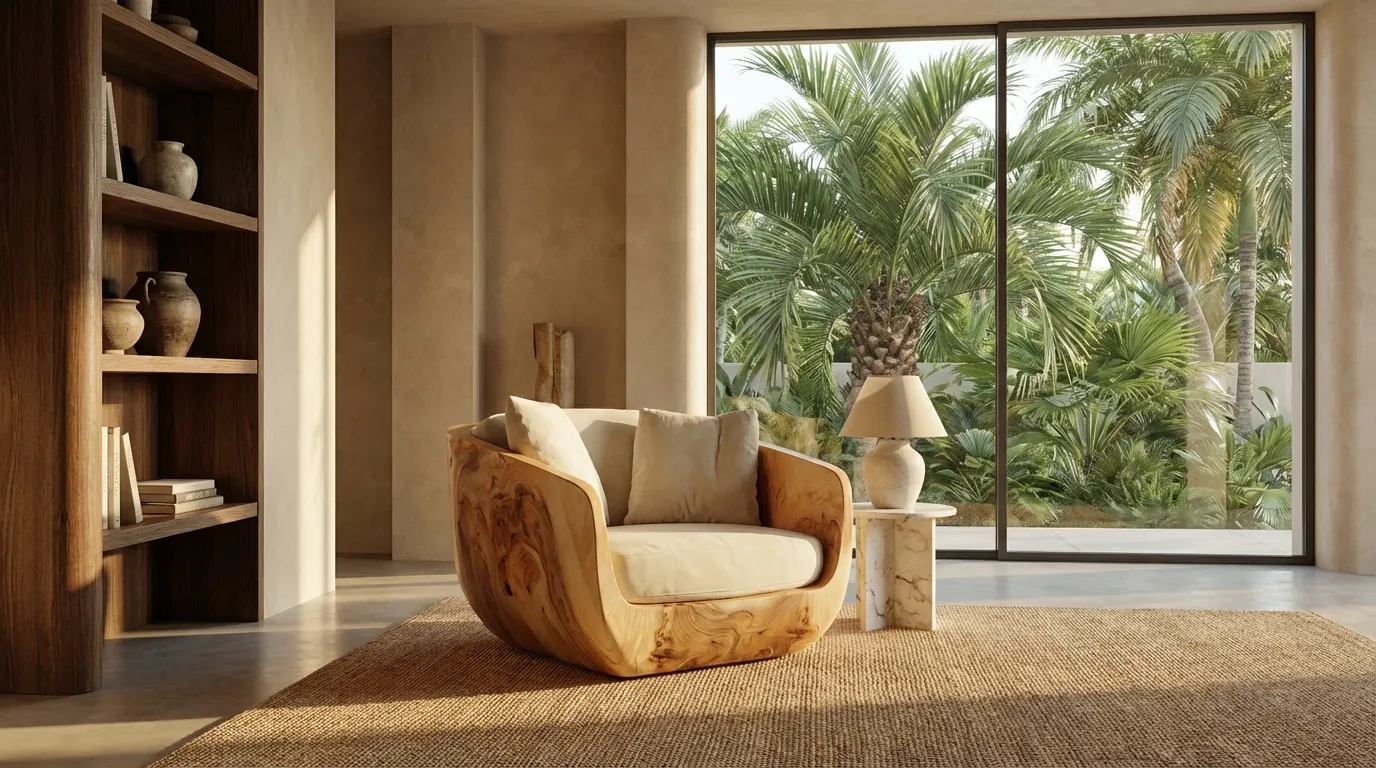
Material choice affects how side tables interact visually with the rest of the room. Wooden side tables introduce warmth and texture, helping soften interiors that rely on clean lines and neutral palettes. Wood surfaces also integrate well with a variety of furniture styles, making side tables easier to coordinate across different living spaces.
Placement Strategies in Living Rooms
In living rooms, side tables are typically placed next to sofas or armchairs. Their position should allow easy reach without restricting movement or seating comfort. Avoid placing side tables too close to seating, as this can limit legroom. Proper spacing ensures both comfort and visual balance within the seating area.
Using Side Tables in Bedrooms and Reading Areas
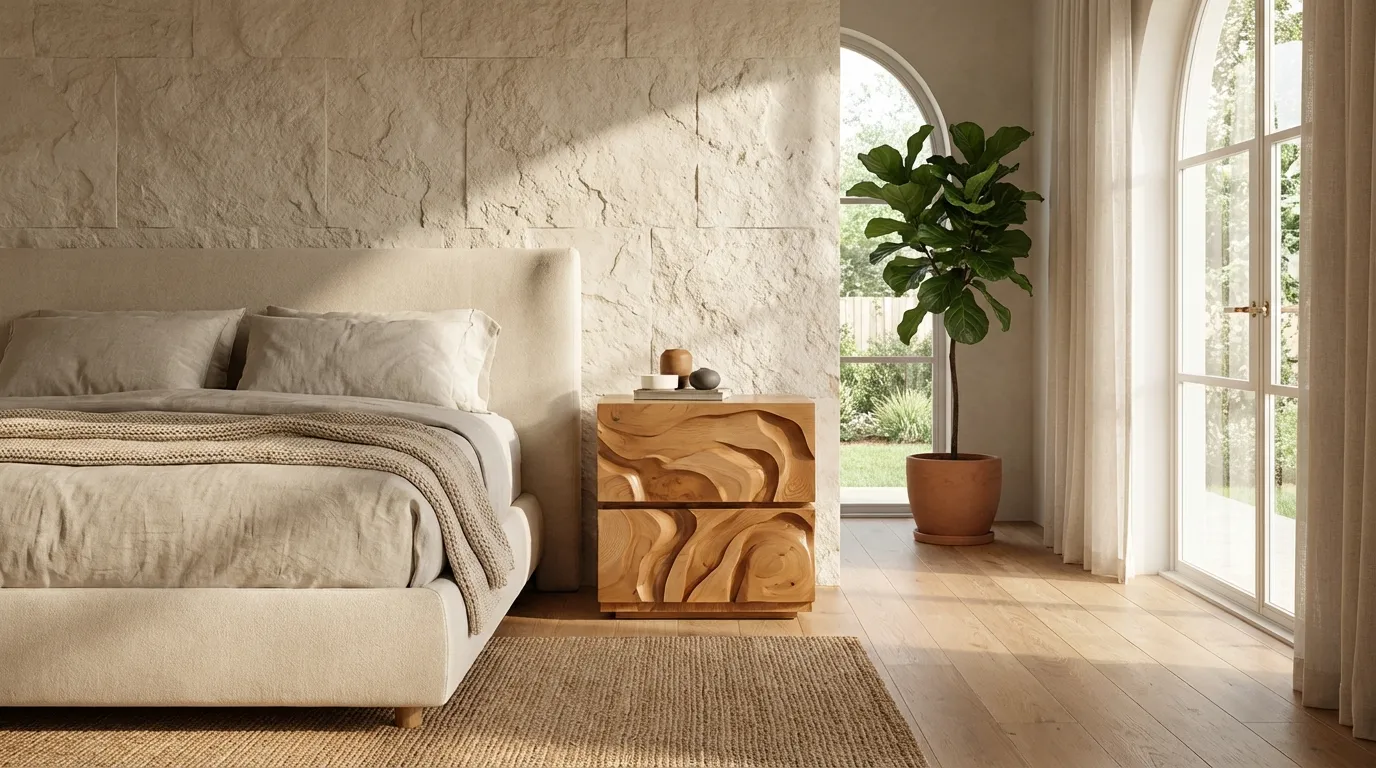
Side tables are equally useful in bedrooms and reading corners. When used as bedside tables, they should align with mattress height for comfortable access. In reading areas, side tables support relaxed use by providing a place for books or lighting. Compact designs work well in these spaces, maintaining a calm and uncluttered atmosphere.
Coordinating Side Tables with Other Furniture
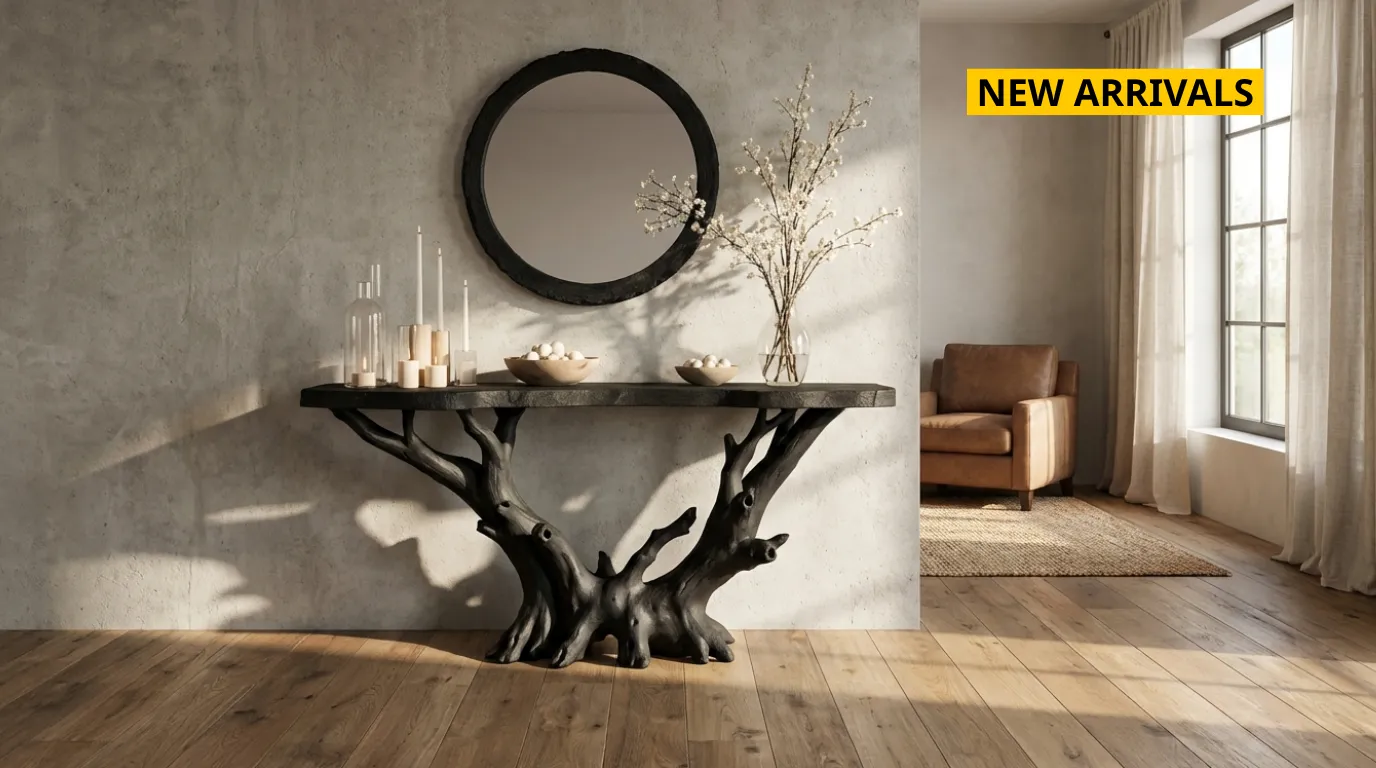
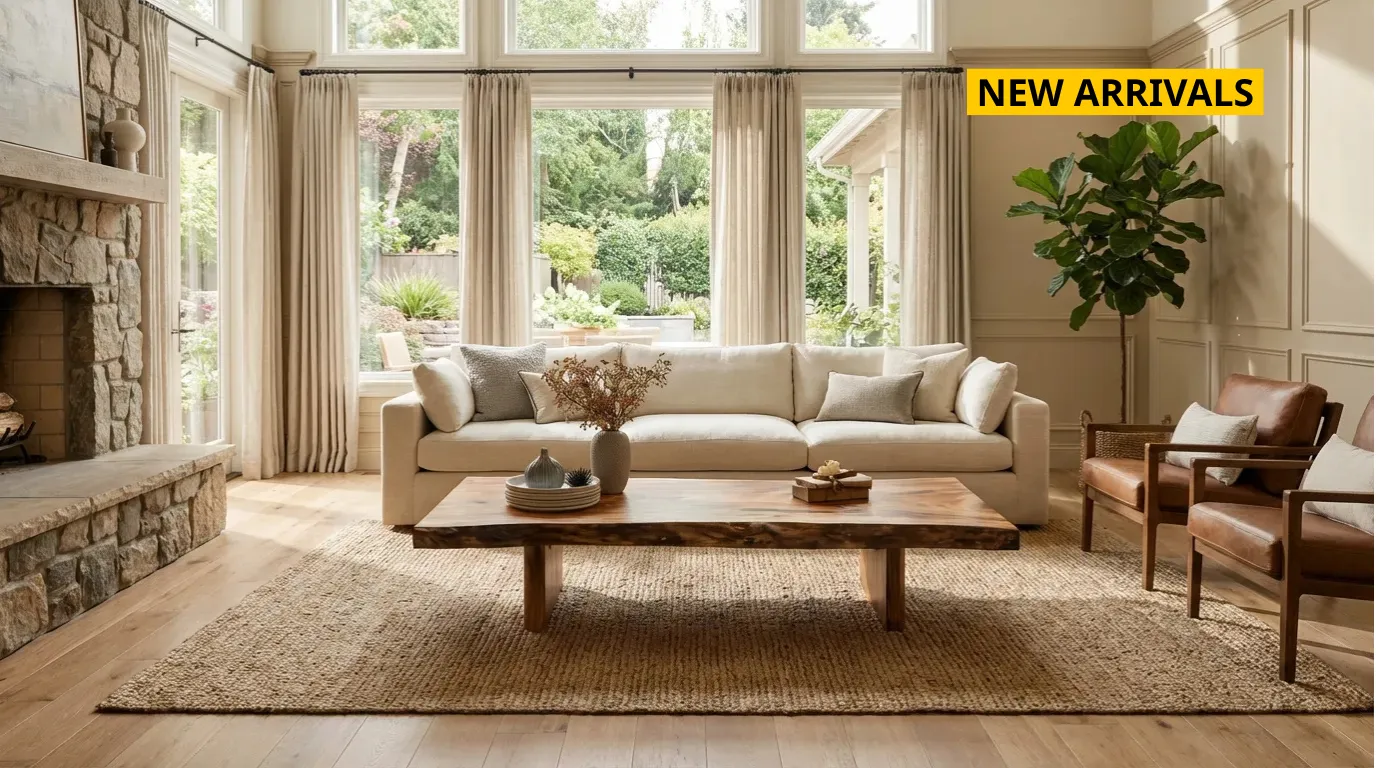
Side tables work best when coordinated with surrounding furniture. Matching material tones and proportions helps create a unified interior rather than a collection of unrelated pieces. In living rooms, side tables often complement coffee tables, reinforcing visual rhythm within the seating area. In transitional spaces, they may also align with console tables to support functional layering.
Considering Storage and Surface Use
Some side tables include drawers or lower shelves that provide additional storage. These features can help keep frequently used items within reach while reducing surface clutter. Balancing open surfaces with discreet storage helps maintain a clean appearance without sacrificing practicality.
Adapting Side Tables to Different Room Sizes
Room size influences how side tables function. In smaller spaces, compact tables with simple forms help preserve openness. In larger rooms, slightly wider tables may be needed to maintain proportion. Selecting a side table that aligns with the scale of the room supports comfortable movement and visual clarity.
Learning from Broader Furniture Planning
Side table selection works best when considered alongside other furniture decisions. Understanding how tables interact with storage and seating helps avoid mismatched proportions. The Wooden Bookshelves blog category offers additional insights into coordinating storage and surface furniture across living spaces.
Conclusion: Small Tables with Everyday Impact
Side tables may appear simple, but their impact on daily living spaces is significant. By focusing on height, proportion, material, and placement, homeowners can select side tables that support comfort and visual balance. Explore available designs in our side tables collection to find options suited for everyday living spaces.