
Understanding the role of a bar cabinet in the living room
In a living room, a bar cabinet typically serves as both storage and a social focal point. It holds beverages, glassware, and accessories while supporting casual entertaining. Unlike dedicated bar rooms, living rooms require bar cabinets to blend seamlessly with seating, tables, and circulation paths. Because the living room is often a multifunctional space, placement should support flexibility. The cabinet should be easy to access during gatherings but unobtrusive during everyday use.
Placing a bar cabinet along perimeter walls
One of the most common and effective placements for a bar cabinet is along a perimeter wall. This approach keeps the center of the room open and preserves clear circulation paths. Wall placement also allows the cabinet to visually anchor itself without competing with primary seating areas. Selecting a piece from the Bar Cabinets collection ensures access to designs proportioned for wall placement in living rooms of different sizes.
Using a bar cabinet as a transitional element
In open-plan homes, the living room often flows directly into dining or kitchen areas. A bar cabinet can act as a transitional element between zones, subtly defining boundaries without the need for partitions. When placed between living and dining areas, a bar cabinet supports entertaining by remaining accessible from both spaces. This placement works especially well when the cabinet aligns with the visual rhythm of surrounding furniture.
Positioning near seating areas without crowding
Placing a bar cabinet near seating areas can enhance convenience, allowing guests to serve themselves without leaving the living room. However, proximity must be carefully managed to avoid crowding or blocking movement. A balanced approach is to position the cabinet just outside primary seating clusters, where it remains accessible but does not interfere with conversation or comfort.
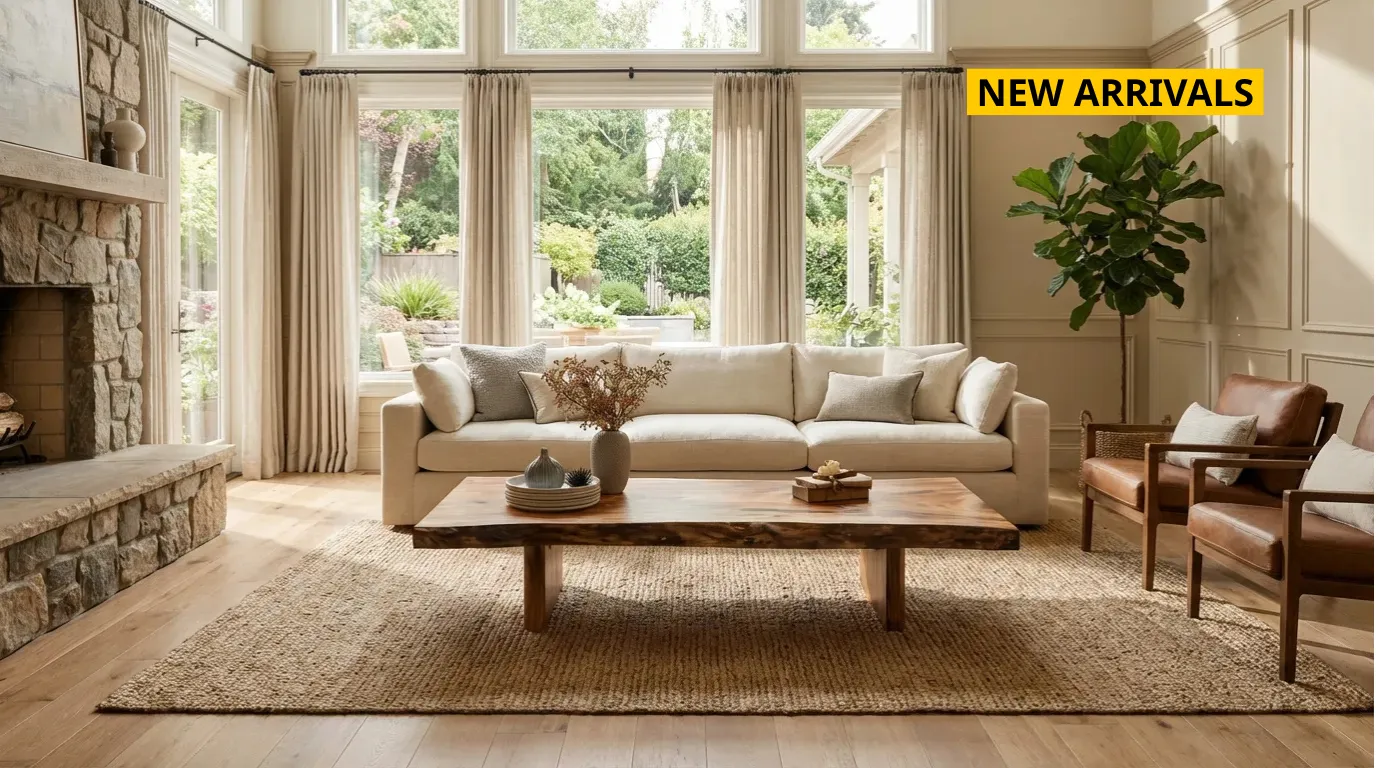
Coordinating bar cabinets with coffee tables
Coffee tables often serve as central surfaces in living rooms, making them natural companions to bar cabinets. Coordinating placement ensures that serving and social interaction remain fluid. When aligned thoughtfully with pieces from the Coffee Tables collection, a bar cabinet can support casual entertaining without pulling focus away from seating arrangements.
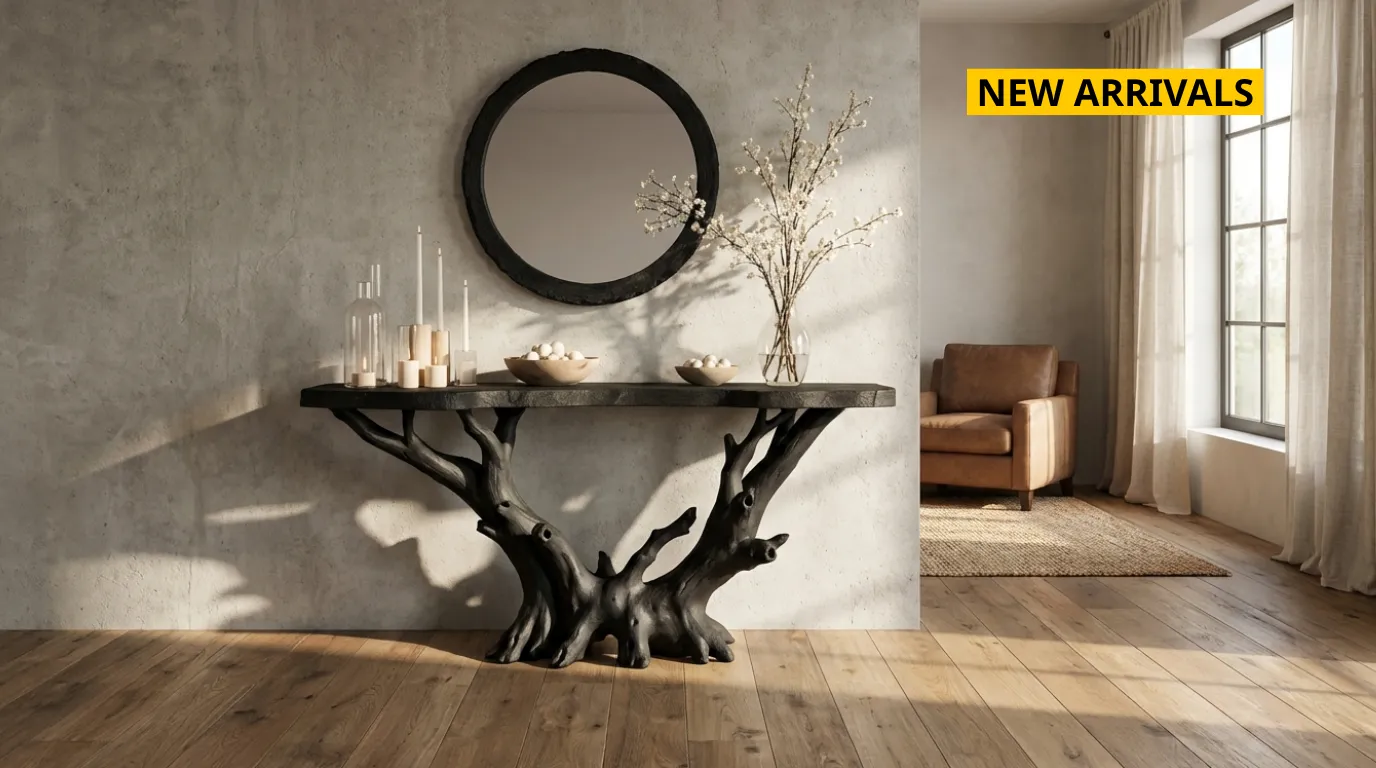
Using console-style placement for shallow layouts
In narrower living rooms, depth becomes a critical concern. Bar cabinets with shallow profiles work well when placed similarly to console furniture, maintaining storage functionality without encroaching on walkways. This approach is especially effective when the bar cabinet visually aligns with items from the Console Tables collection, creating a unified storage line along the wall.
Balancing the bar cabinet with adjacent furniture
A bar cabinet should complement surrounding furniture rather than dominate it. Its height and width should align with nearby shelving, cabinets, or media units to maintain visual balance. Avoid placing bar cabinets directly next to furniture of drastically different scale, as this can create awkward transitions within the layout.
Integrating wine storage near the bar cabinet
For households with growing wine collections, additional storage may be needed beyond what the bar cabinet provides. Supplementary wine storage should be placed nearby to maintain convenience and organization. Positioning complementary storage from the Wine Holders collection near the bar cabinet allows bottles to remain accessible without overcrowding the main unit.
Avoiding high-traffic and disruptive areas
Bar cabinets should not be placed in areas with heavy foot traffic, such as narrow passageways or door alignments. These locations increase the risk of congestion and reduce usability during gatherings. Instead, choose locations that allow guests to approach the cabinet comfortably without crossing main circulation routes.
Adapting placement to room size and layout
Living room layouts vary widely, and bar cabinet placement should reflect these differences. In compact rooms, a single, well-placed cabinet along a wall may be sufficient. In larger spaces, the cabinet can serve as a visual anchor within a broader furniture arrangement. Flexibility is key. Freestanding bar cabinets allow repositioning as layouts evolve or entertaining needs change.
Learning more about living room furniture planning
Bar cabinet placement is part of a larger conversation about living room layout and furniture coordination. Understanding how different elements interact helps create spaces that feel intentional and functional. For more layout-focused insights, explore the Bar Cabinets For Home Entertaining blog category for related planning strategies.
Final thoughts on bar cabinet placement
The ideal placement of a bar cabinet in a living room depends on layout, furniture balance, and how the space is used for entertaining. When positioned thoughtfully, a bar cabinet enhances hosting convenience without disrupting comfort or circulation. By aligning the cabinet with surrounding furniture and maintaining clear movement paths, homeowners can integrate bar storage seamlessly into living room layouts.