

Understanding the Role of Wooden Chairs in Home Interiors
Chairs serve as primary seating in many parts of the home. In dining areas, they support meals and gatherings. In living rooms or bedrooms, they often provide secondary seating for reading or conversation. Because of their frequent use, chairs must balance comfort with durability. Wooden chairs offer a stable structure that works well across different interior styles. Their material presence adds warmth while maintaining a refined and functional appearance.
Identifying Seating Needs Based on Room Function
The first step in selecting wooden chairs is understanding how they will be used. Dining chairs typically require upright support and consistent height, while chairs used in living areas may prioritize relaxation and flexibility. Defining seating purpose helps narrow choices and ensures that the chairs support everyday activities rather than simply filling space.
Choosing the Right Chair Height
Chair height plays a major role in comfort. In dining areas, seat height should align with table height to allow comfortable use without strain. Chairs that sit too low or too high can disrupt posture and reduce usability. In casual seating areas, height should relate to nearby furniture such as side tables or armchairs. Consistent height relationships help maintain visual balance across the room.
Evaluating Chair Proportion and Scale
Proportion affects how chairs fit within a room. Oversized chairs can crowd small spaces, while very compact chairs may feel insufficient in larger layouts. Selecting chairs that align with room size helps preserve circulation and comfort. The width and depth of the chair should allow easy movement around seating areas without obstructing pathways or nearby furniture.
Material Considerations for Wooden Chairs
Wooden chairs introduce texture and natural character into interiors. The visible grain of wood helps soften spaces that rely on clean lines and neutral palettes. This makes wooden chairs versatile across both modern and traditional interiors. Understanding how different wood surfaces respond to daily use helps set expectations for maintenance and long-term appearance.
Coordinating Wooden Chairs with Tables
Chairs often interact directly with tables, especially in dining areas. Coordinating chair proportions with table size helps maintain comfort and visual harmony. Wooden chairs frequently pair well with pieces from the dining tables collection, creating a cohesive dining setup that supports everyday use.
Using Wooden Chairs in Living and Multi-Use Spaces
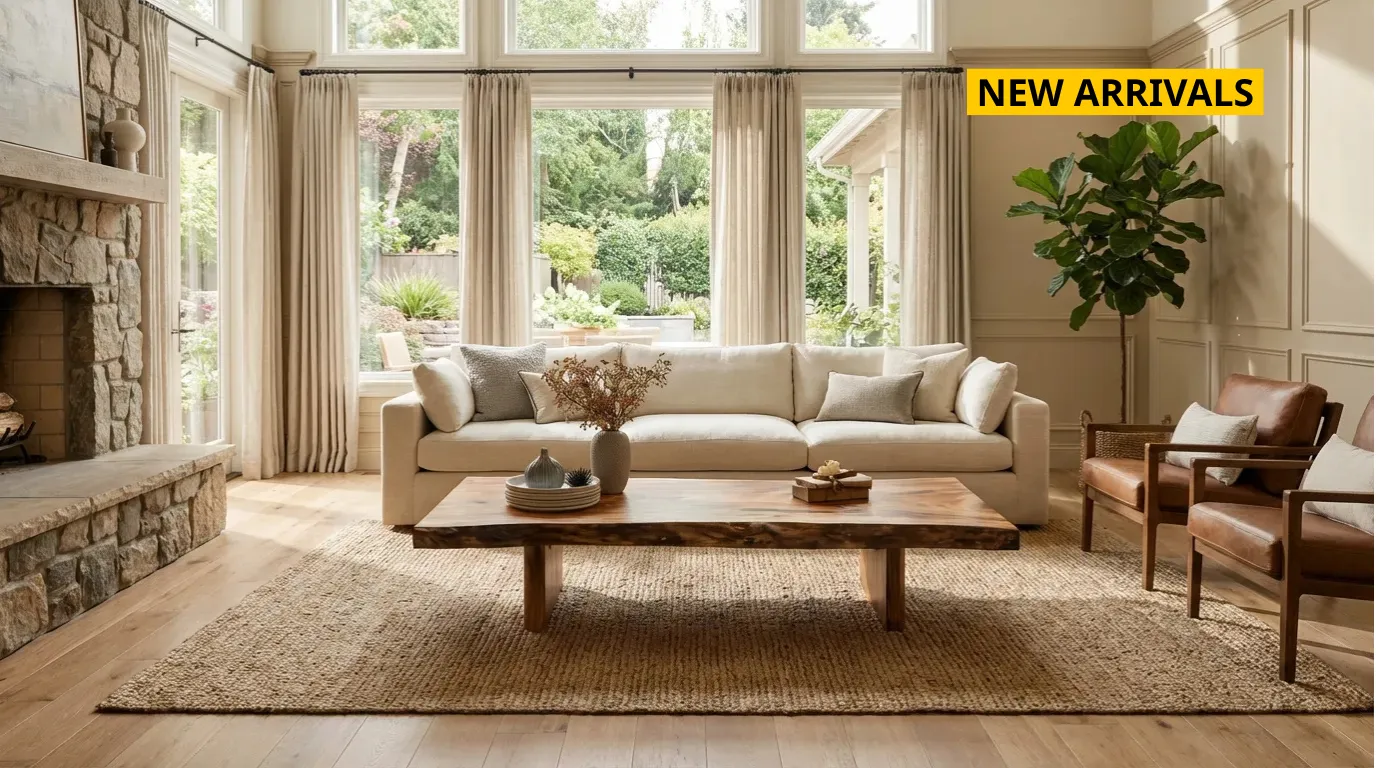
Beyond dining rooms, wooden chairs are useful in living rooms and multi-use spaces. Accent chairs placed near windows or shelves provide flexible seating without requiring large furniture pieces. When used alongside side tables, wooden chairs support relaxed activities such as reading or conversation while maintaining a balanced layout.
Spacing and Placement for Comfort
Proper spacing improves comfort and circulation. Chairs should be placed far enough apart to allow easy movement while remaining close enough to support interaction. In dining areas, consistent spacing between chairs helps prevent crowding. In living spaces, positioning chairs near supporting furniture enhances usability without restricting pathways.
Integrating Wooden Chairs into a Broader Furniture Plan
Wooden chairs work best when considered as part of a complete furniture plan. Their relationship with storage, tables, and display furniture influences the overall feel of the space. Observing how storage furniture such as bookshelves is arranged can provide useful insight. The Wooden Bookshelves blog category offers additional guidance on coordinating furniture scale and placement across shared living areas.
Long-Term Comfort and Everyday Use
Comfort over time matters as much as initial appearance. Chairs that support posture and allow natural movement contribute to a positive daily experience. Thoughtful selection helps ensure chairs remain comfortable throughout extended use. Balancing structure, proportion, and placement allows wooden chairs to serve both functional and visual roles within the home.
Conclusion: Choosing Chairs That Fit Your Home
Selecting wooden chairs for home seating areas involves understanding seating needs, room size, and how chairs interact with surrounding furniture. When chosen carefully, wooden chairs enhance comfort while contributing warmth and structure to interior spaces. Explore available designs in our chairs collection to find wooden chairs suited for different home seating areas.