


Why proper vinyl organization matters
Vinyl records require more care than many other media formats. Improper stacking, tight compression, or unstable surfaces can damage sleeves and discs over time. Organized storage not only protects records but also makes it easier to find and enjoy them. Using dedicated storage furniture helps maintain consistent spacing, vertical alignment, and structural support. This approach reduces wear while encouraging a more intentional listening routine.
Storing vinyl records vertically
Vertical storage is widely recommended for vinyl records. Storing records upright prevents pressure from building on sleeves and discs, helping reduce the risk of warping. Storage furniture should provide enough clearance for standard LP sizes while keeping records securely supported. Furniture designed specifically for vinyl storage often includes compartments sized to accommodate record sleeves without excessive compression. This design supports both preservation and easy browsing.
Choosing dedicated record storage furniture
Dedicated furniture simplifies vinyl organization by combining storage and accessibility. Record-focused units often feature open shelving or cubby-style compartments that allow records to be sorted and retrieved easily. Selecting from the Record Player Stands collection provides storage solutions that support both playback equipment and vinyl organization, keeping listening setups centralized and efficient.
Using shelving units for expanding collections
As vinyl collections grow, additional storage becomes necessary. Shelving units offer flexible capacity and are well-suited for organizing records by genre, artist, or listening frequency. Open shelving allows records to remain visible and accessible without creating visual clutter. Integrating vinyl storage with furniture from the Bookshelves collection helps distribute records evenly across vertical space while maintaining alignment with surrounding furniture.
Balancing vinyl storage with living room layouts
Vinyl storage should feel intentional within the room rather than overwhelming. The size and placement of storage furniture should align with existing layouts, seating arrangements, and circulation paths. Avoid placing vinyl storage in high-traffic areas where records may be bumped or difficult to access. Instead, position storage along perimeter walls or within defined listening zones to support both organization and comfort.
Using low-profile furniture for compact spaces
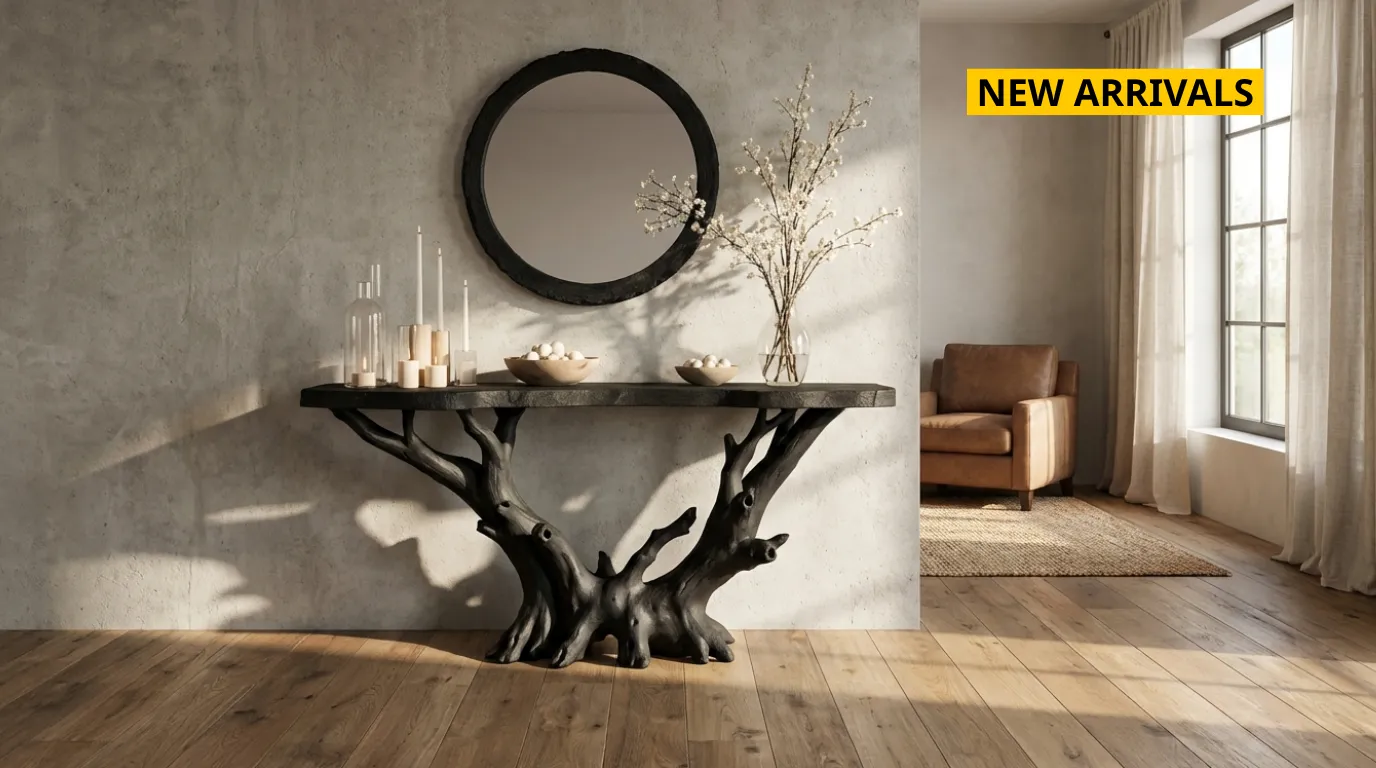
In smaller living spaces, low-profile storage furniture helps maintain openness while providing adequate capacity. Shorter units placed along walls allow records to be stored without blocking sightlines or movement. Pairing vinyl storage with furniture from the Console Tables collection offers a shallow-depth solution that fits well in narrow rooms or multi-purpose living areas.
Supporting accessories and listening tools
Vinyl listening often involves accessories such as record cleaners, sleeves, or small speakers. While main storage furniture should prioritize records, nearby supporting surfaces help keep accessories organized and within reach. Using furniture from the Side Tables collection provides flexible surfaces for accessories without overcrowding primary vinyl storage units.
Organizing records by category
How records are organized within storage furniture affects usability. Common methods include sorting by genre, artist, or listening frequency. Frequently played records should be placed at eye or hand level for easy access. Clear categorization reduces handling time and minimizes unnecessary movement of records, which helps preserve both sleeves and discs.
Maintaining spacing and airflow
Overfilling storage furniture can lead to compressed sleeves and difficulty removing records. Leaving slight gaps between groups allows for airflow and easier browsing. Storage furniture should provide structural support without forcing records too tightly together. This balance protects the collection while keeping it visually organized.
Adapting storage as collections grow
Vinyl collections often expand over time. Choosing modular or expandable storage furniture allows layouts to adapt without major reconfiguration. Adding additional shelving or units helps maintain organization as storage needs change. Planning for growth prevents overcrowding and ensures that records remain easy to access as collections evolve.
Learning more about media-friendly interiors
Vinyl storage is part of a broader approach to organizing media and living spaces. Understanding how storage furniture interacts with layout and daily routines supports long-term usability. For additional guidance on coordinating storage furniture within interiors, explore the Record Player Stands And Vinyl Storage blog category for related insights.
Final thoughts on organizing vinyl records
Organizing vinyl records using storage furniture requires attention to vertical alignment, capacity, and integration with existing layouts. Well-chosen furniture protects records, improves accessibility, and enhances the listening environment. By selecting appropriate storage solutions and planning for long-term use, vinyl collections can remain organized, accessible, and visually cohesive within the home.