
Understanding the role of a bar cabinet
A bar cabinet serves as a centralized storage solution for beverages, glassware, and serving tools. For home entertaining, it helps streamline hosting by keeping essentials organized and within easy reach. This organization reduces clutter and allows hosts to focus on guests rather than searching for items. In addition to storage, a bar cabinet often acts as a visual anchor in social spaces. Its placement and design can subtly define a serving zone without requiring permanent built-in features.
Assessing storage needs for entertaining
Before selecting a bar cabinet, it is important to assess how it will be used. Some households require storage for a small selection of bottles and glasses, while others need space for larger collections and frequent gatherings. Understanding bottle quantity, glassware types, and accessory needs helps determine appropriate cabinet size. Choosing a cabinet with realistic capacity prevents overcrowding while ensuring that frequently used items remain accessible during events.
Choosing the right cabinet size and proportions
Proportion is essential when integrating a bar cabinet into a living or dining area. A cabinet that is too large can dominate the room, while one that is too small may not meet storage needs. The cabinet should align with surrounding furniture in both height and depth. Selecting a piece from the Bar Cabinets collection allows homeowners to choose sizes that suit different entertaining environments, from compact apartments to larger open-plan spaces.
Placement strategies for social spaces
Placement has a significant impact on how effectively a bar cabinet supports entertaining. Cabinets placed too far from seating or dining areas can disrupt serving flow, while those placed in high-traffic zones may interfere with movement. Bar cabinets are often positioned along perimeter walls, near dining areas, or between living and dining zones. This placement allows guests to access drinks easily without crowding preparation or seating areas.
Integrating a bar cabinet with dining furniture
For homes that entertain around meals, coordinating bar storage with dining furniture improves efficiency. Bar cabinets located near dining areas support smooth transitions between serving food and beverages. When paired thoughtfully with furniture from the Dining Tables collection, a bar cabinet becomes part of the overall entertaining setup rather than a standalone feature.
Complementing bar cabinets with supporting surfaces
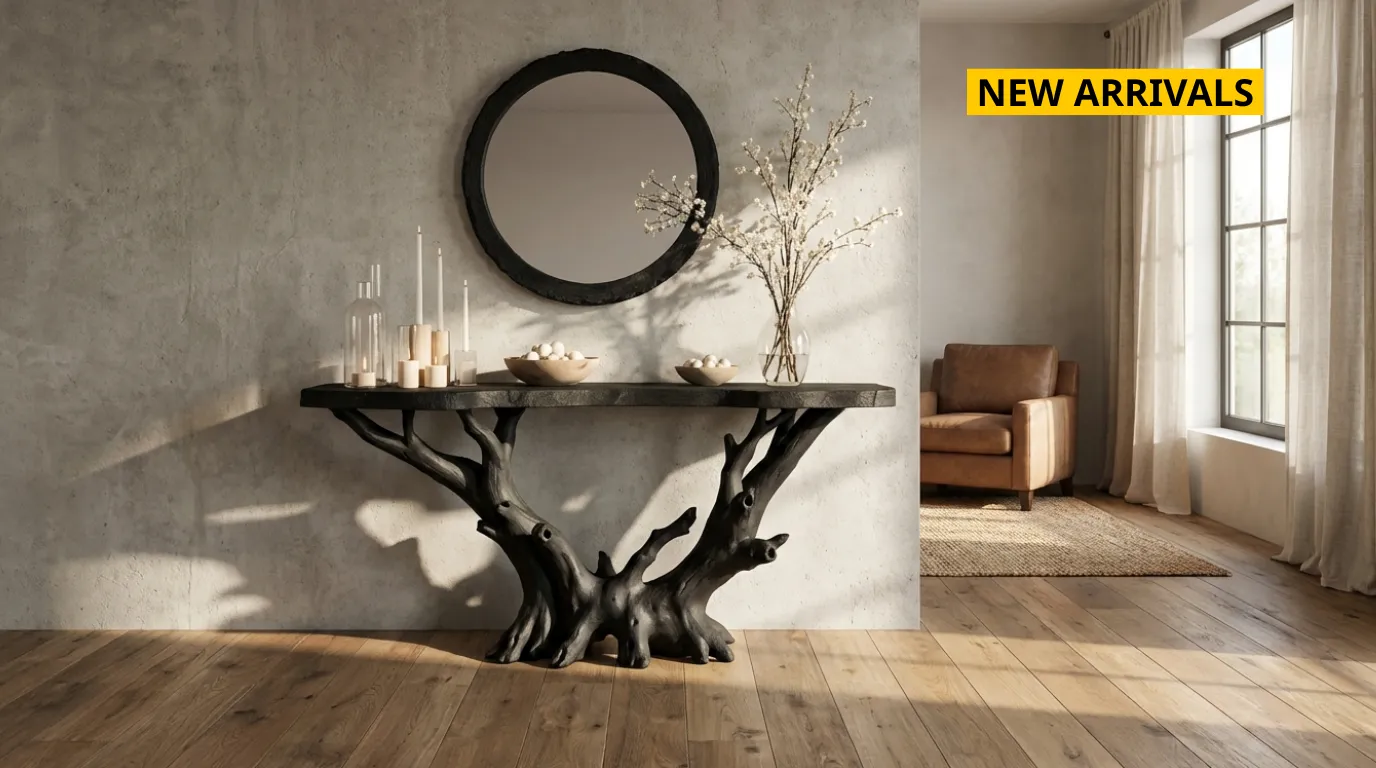
Additional surfaces near a bar cabinet can improve functionality during gatherings. These surfaces provide space for pouring drinks, placing trays, or temporarily setting down glassware. Shallow furniture options work especially well in compact spaces. Coordinating a bar cabinet with items from the Console Tables collection helps create a cohesive serving zone without taking up excessive floor space.
Incorporating wine storage within the cabinet area
Many bar cabinets include dedicated wine storage, but additional wine holders may be needed for larger collections. Integrating wine storage nearby ensures that bottles remain organized and accessible during entertaining. Placing supplementary storage from the Wine Holders collection near the bar cabinet allows for flexible expansion without altering the primary cabinet layout.
Accessibility and ease of use
A bar cabinet should support quick access during social gatherings. Shelves and compartments should be easy to reach without moving other items. Clear organization reduces interruptions and keeps hosting efficient. Cabinets with well-spaced shelving and intuitive layouts help maintain order, even when multiple guests are interacting with the space.
Material and finish considerations
Material choice affects both durability and visual harmony. Wooden bar cabinets are commonly selected for home entertaining because they blend naturally with a wide range of interiors. Wood also provides a stable surface for storing bottles and glassware. Consistency in material with nearby furniture helps the bar cabinet feel integrated rather than added later.
Planning for long-term entertaining needs
Entertaining habits can change over time. Choosing a bar cabinet that offers some flexibility in storage layout allows it to adapt to evolving needs. Adjustable shelves or modular compartments support this adaptability.
Considering future use ensures that the cabinet remains functional and relevant beyond its initial setup.
Learning more about entertaining-focused interiors
Bar cabinets are part of a broader approach to designing spaces for social interaction. Understanding how furniture, storage, and layout work together can enhance both hosting efficiency and visual flow. For additional insights into planning interiors for entertaining, visit the Bar Cabinets For Home Entertaining blog category for related ideas.
Final thoughts on choosing a bar cabinet
Choosing the right bar cabinet for home entertaining involves balancing storage needs, placement, and integration with existing furniture. A well-selected cabinet supports smooth hosting, keeps essentials organized, and enhances the overall entertaining experience. By considering capacity, layout, and long-term flexibility, homeowners can select a bar cabinet that fits both their space and their approach to entertaining.