

Understanding the role of a wooden nightstand
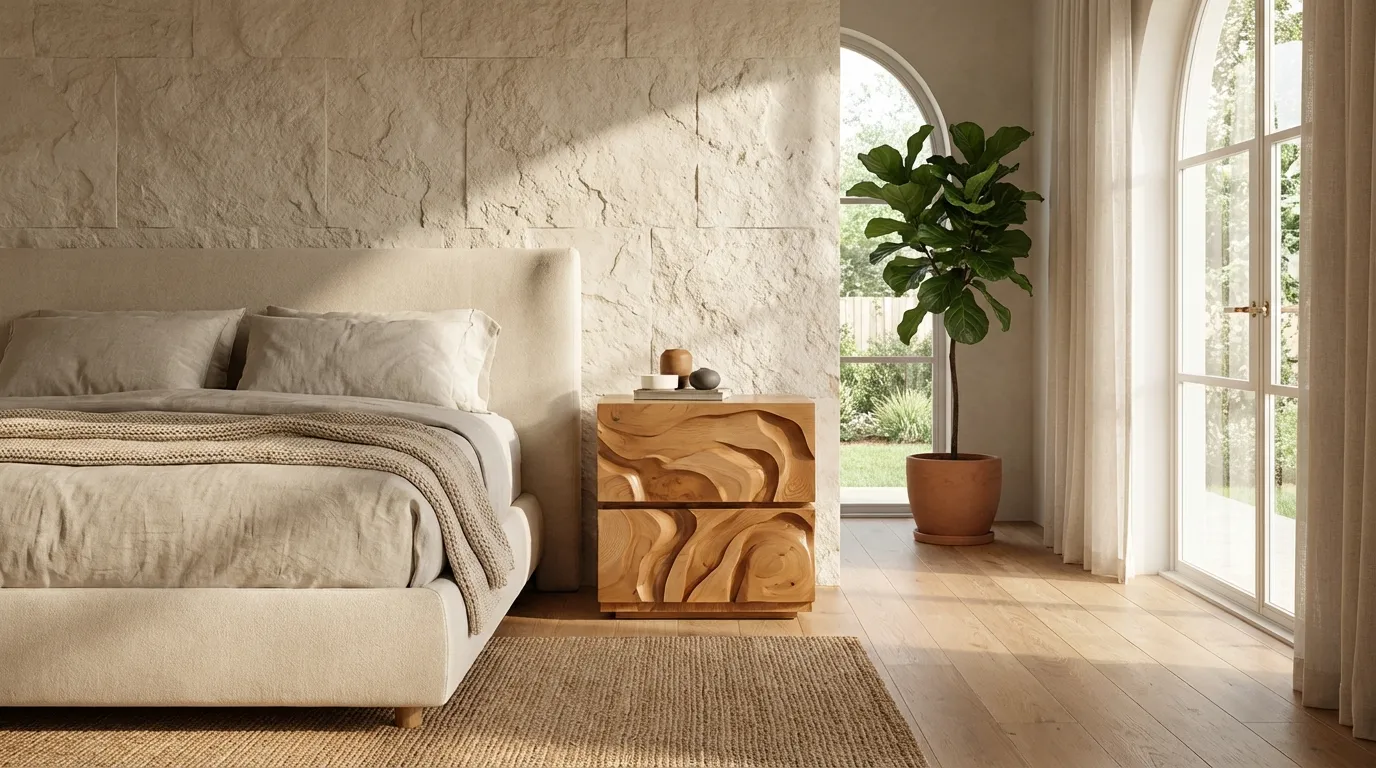
A nightstand serves as a functional extension of the bed. It holds everyday items such as lamps, books, or personal accessories while supporting nighttime routines. When chosen carefully, a wooden nightstand also contributes to the overall structure of the bedroom layout. Wood is commonly selected for nightstands because it integrates easily with a variety of bedroom styles and provides visual warmth. Its material presence helps ground the bed area without overpowering the room.
Evaluating bedroom layout before choosing a nightstand
Bedroom layout is a key factor in selecting the right nightstand. Room size, bed placement, and circulation paths all influence how much space is available beside the bed. A nightstand that fits comfortably within the layout helps maintain clear movement and visual balance. In smaller bedrooms, compact nightstands preserve openness, while larger rooms may accommodate wider designs without crowding the space. Understanding layout constraints ensures that the nightstand supports comfort rather than disrupting flow.
Choosing the right height and proportion
Height is one of the most important considerations when selecting a wooden nightstand. Ideally, the top surface should align closely with the height of the mattress. This allows items to be accessed easily while seated or lying down. Proportion also matters. A nightstand that is too large can visually dominate the bed area, while one that is too small may feel disconnected. Balanced proportions help the nightstand feel like an intentional part of the bedroom layout.
Balancing storage and surface space
Storage needs vary depending on lifestyle and bedroom use. Some people prefer open designs with minimal storage, while others need drawers or shelves for personal items. Choosing the right balance helps keep the bedside area organized without adding visual clutter. Exploring options from the Nightstands collection allows homeowners to compare different storage configurations that suit both layout and daily routines.
Integrating lighting with the nightstand
Nightstands often support bedside lighting, making their surface size and stability important. Lamps placed on nightstands should feel proportionate and secure, without overcrowding the surface. Coordinating nightstands with items from the Lamps collection helps ensure that lighting and furniture work together to create a calm and functional bedside environment.
Using nightstands in compact bedroom layouts
Compact bedrooms require thoughtful furniture selection. In these layouts, nightstands with narrow profiles or reduced depth help maintain circulation space while still providing essential functionality. In some cases, furniture from the Side Tables collection can serve as an alternative to traditional nightstands, offering flexibility without overwhelming the layout.
Symmetry and balance in bedroom design
Many bedroom layouts rely on symmetry for visual calm. Matching nightstands placed on either side of the bed create balance and reinforce the bed as the focal point of the room. In asymmetrical layouts, nightstands can still support balance through careful proportion and placement. The goal is visual harmony rather than strict uniformity.
Considering clearance and movement
Nightstands should not obstruct movement around the bed. Adequate clearance between the nightstand, bed, and nearby furniture allows for comfortable circulation, especially in shared bedrooms. Measuring available space before selecting a nightstand helps prevent overcrowding and ensures that drawers or doors can open freely.
Coordinating nightstands with other bedroom furniture
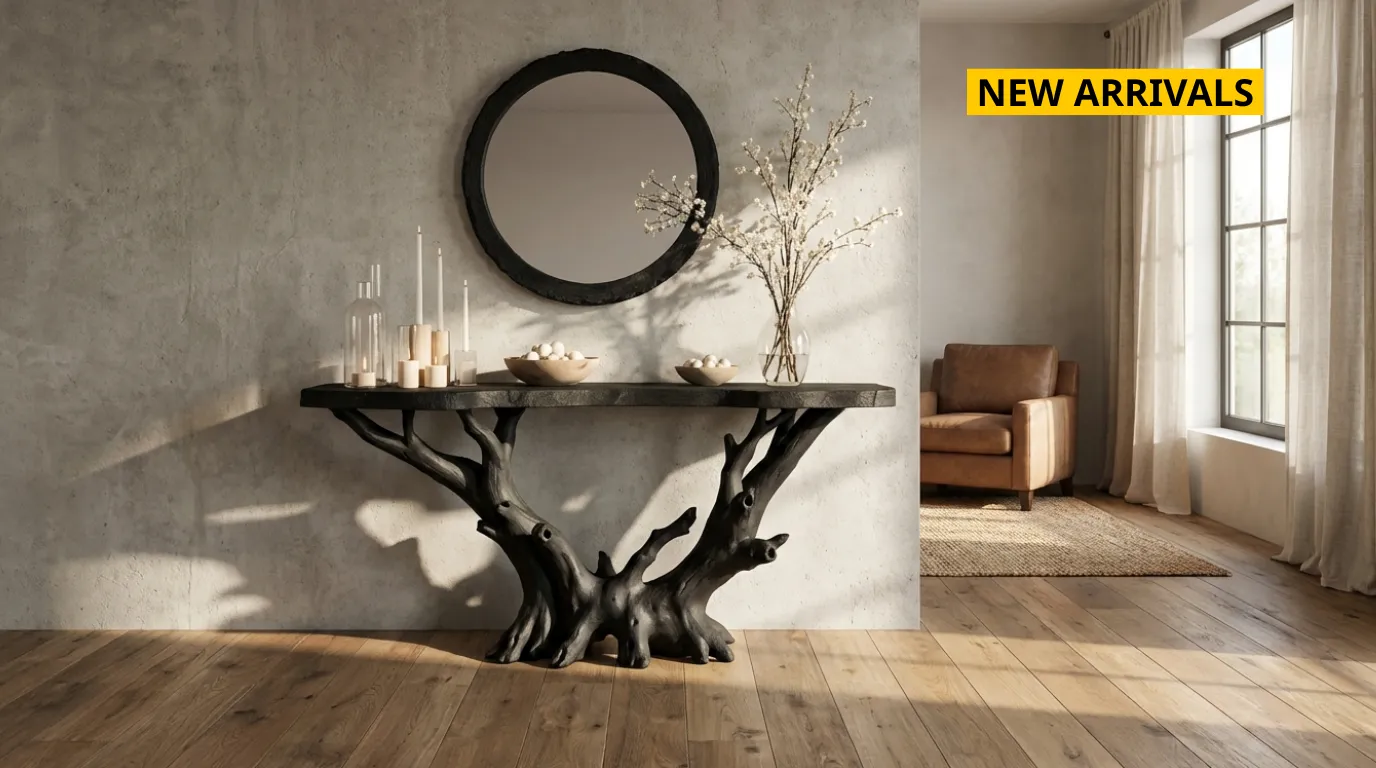
Wooden nightstands should feel connected to the broader furniture set in the bedroom. Consistency in material tone, scale, or design language helps the nightstand blend naturally with the overall layout. In bedrooms where additional surface storage is needed, pairing nightstands with furniture from the Console Tables collection can help maintain visual continuity while expanding functionality.
Planning for long-term use
Bedrooms evolve over time, and furniture choices should accommodate changing needs. Selecting a wooden nightstand with durable construction and flexible storage supports long-term use. A well-chosen nightstand remains functional even as layouts or routines shift, reducing the need for frequent replacement.
Learning more about bedroom furniture planning
Choosing the right nightstand is part of a larger approach to bedroom layout planning. Understanding how furniture placement, scale, and storage interact improves both comfort and visual order. For more guidance on coordinating furniture within interior layouts, explore the Nightstands For Bedroom Storage blog category for related insights.
Final thoughts on choosing a wooden nightstand
Choosing the right wooden nightstand for bedroom layouts involves more than selecting a matching piece. By considering layout, proportion, storage needs, and furniture coordination, homeowners can create bedside setups that support comfort and organization. A thoughtfully selected nightstand enhances daily routines while contributing to a balanced and cohesive bedroom environment.