
Understanding your wine storage needs
The first step in choosing a wine holder is understanding how many bottles you plan to store and how frequently they are accessed. Some households store only a small selection for occasional use, while others maintain a rotating collection intended for regular consumption. Wine holders should match these habits. Compact holders suit small collections and limited spaces, while larger units accommodate growing bottle counts. Choosing an appropriately sized holder helps maintain order without creating unnecessary visual clutter.
Choosing the right capacity for home use
Capacity is one of the most important factors when selecting wine holders. Overestimating capacity can result in unused storage that takes up valuable space, while underestimating may lead to overcrowding or improper bottle placement. For most homes, wine holders designed for small to medium bottle quantities offer the best balance. These options allow bottles to be stored horizontally, supporting cork moisture and helping maintain long-term storage conditions.
Material considerations for wine holders
Material choice affects both functionality and visual integration. Wooden wine holders are commonly selected for home use because they provide stable support and blend naturally with a variety of interior styles. Wood also helps buffer minor temperature fluctuations compared to metal or plastic alternatives. When coordinating wine storage with other furnishings, selecting a holder from the Wine Holders collection allows for consistency in material and form, supporting a cohesive interior layout.
Placement options for home bottle storage
Where a wine holder is placed can significantly influence its usability and visual impact. Wine holders are commonly positioned in dining areas, living rooms, or dedicated storage zones. Placement should allow easy access while avoiding direct sunlight or heat sources. In dining spaces, wine holders often complement furniture from the Dining Tables collection, creating a functional connection between storage and serving areas without disrupting circulation.
Integrating wine holders into living spaces
Wine storage does not need to be hidden. When chosen carefully, wine holders can integrate naturally into living spaces as part of the overall interior composition. Their scale and form should align with surrounding furniture to avoid drawing excessive attention. In living rooms, wine holders placed near items from the Side Tables collection provide convenient access while maintaining visual balance within seating areas.
Vertical vs horizontal wine holder designs
Wine holders come in both vertical and horizontal configurations. Horizontal designs are typically preferred for long-term storage because they keep corks in contact with the wine. Vertical holders, while more compact, are better suited for short-term or decorative storage. The choice between these designs depends on available space and storage goals. Horizontal holders often work well in dedicated storage areas, while vertical designs suit smaller apartments or multipurpose rooms.
Balancing wine storage with other furniture
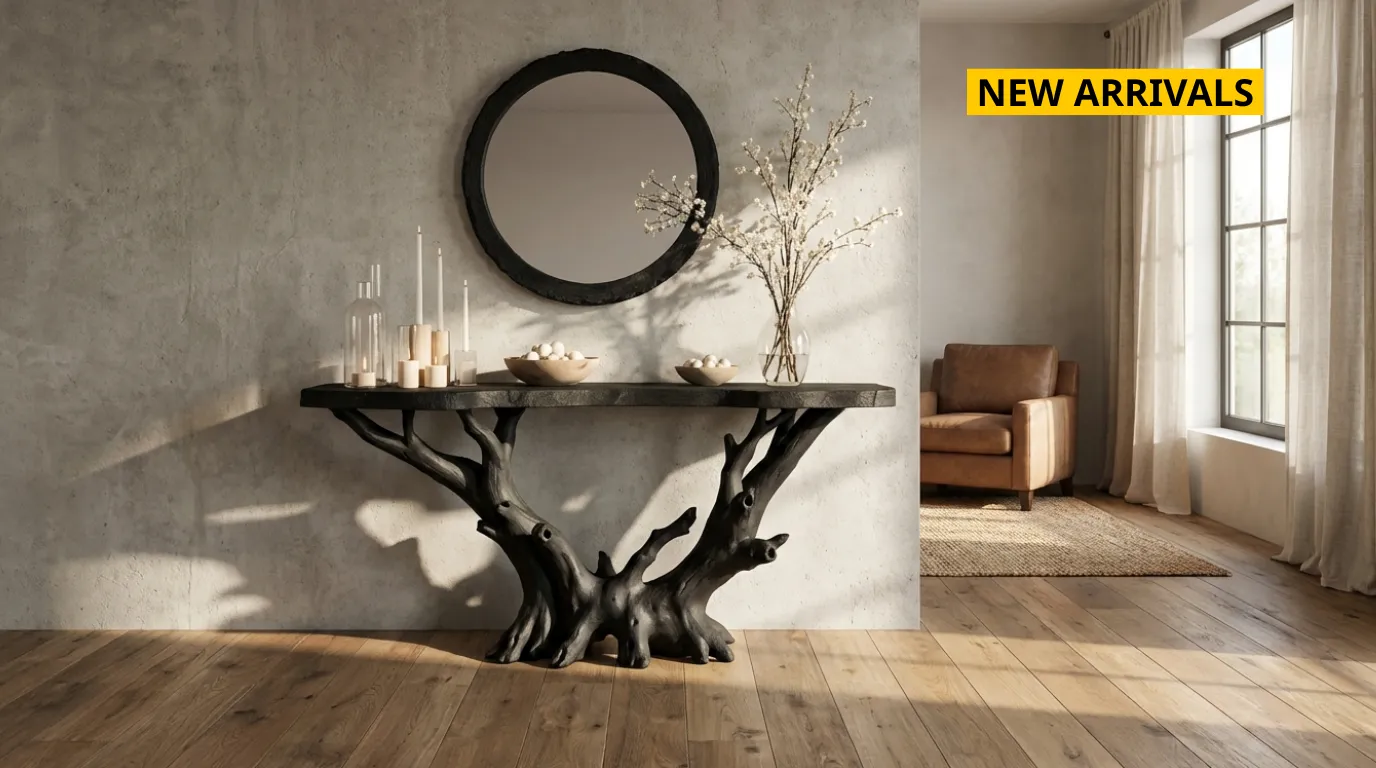
Wine holders should complement, not compete with, other furniture elements. Their proportions should align with nearby cabinets, shelving, or display units. This balance ensures that wine storage feels intentional rather than improvised. In spaces featuring furniture from the Console Tables collection, wine holders can be positioned nearby to create visually organized storage zones without overcrowding the room.
Accessibility and everyday use
Accessibility is a key consideration for home wine storage. Wine holders should allow bottles to be removed and replaced easily without disturbing adjacent bottles. Designs with adequate spacing reduce the risk of accidental damage. For households that entertain frequently, choosing wine holders that support quick visual identification of labels can improve usability while maintaining order.
Maintaining a clean and organized appearance
A well-chosen wine holder contributes to a tidy interior by keeping bottles grouped and aligned. This organization reduces visual noise and helps storage areas feel calm and intentional. Regularly reassessing bottle quantities and storage needs ensures that wine holders remain functional over time, even as collections change.
Learning more about storage-focused interiors
Wine storage is part of a broader approach to home organization. Understanding how storage elements interact with furniture and layout can improve both usability and visual flow. For additional guidance on integrating storage solutions into interiors, visit the Wine Holders And Bottle Storage blog category for related insights.
Final thoughts on choosing wine holders
Choosing the right wine holder for home bottle storage involves balancing capacity, material, placement, and everyday accessibility. When selected thoughtfully, wine holders support proper bottle care while integrating naturally into the home. By aligning wine storage with furniture layout and lifestyle needs, homeowners can create organized, functional spaces that support both daily use and long-term storage.