
Why Matching Side Tables with Seating Matters
Sofas and armchairs define how people sit, relax, and interact within a living space. Side tables support these activities by providing convenient surfaces within reach. When the relationship between seating and side tables feels natural, the entire area becomes more comfortable to use. Poorly matched side tables can interrupt circulation, restrict movement, or appear visually disconnected. Understanding how these pieces work together helps prevent imbalance and supports everyday usability.
Aligning Side Table Height with Sofa and Armchair Seating
Height is one of the most important factors when matching side tables with seating. A side table should sit close to the arm height or seat height of the sofa or armchair it serves. This alignment allows items to be placed or reached comfortably without awkward movement. Tables that are too tall may feel intrusive, while tables that are too low often become impractical. Maintaining consistent height relationships helps side tables feel integrated rather than added as an afterthought.
Balancing Proportion and Surface Size
Proportion affects how side tables relate visually to sofas and armchairs. Large seating pieces paired with very small tables can feel unbalanced, while oversized tables next to compact seating may overwhelm the area. The surface of the side table should provide enough space for everyday items such as a cup or book without dominating the seating arrangement. Matching scale creates a cohesive and comfortable layout.
Considering Placement and Clearance
Placement influences both comfort and circulation. Side tables should be positioned close enough to seating for easy reach while allowing sufficient space for movement. Avoid placing tables in a way that restricts legroom or blocks walkways. In seating groups with multiple armchairs, placing a side table between two chairs can provide shared access without crowding the space. This approach supports social interaction and visual balance.
Matching Materials for Visual Consistency
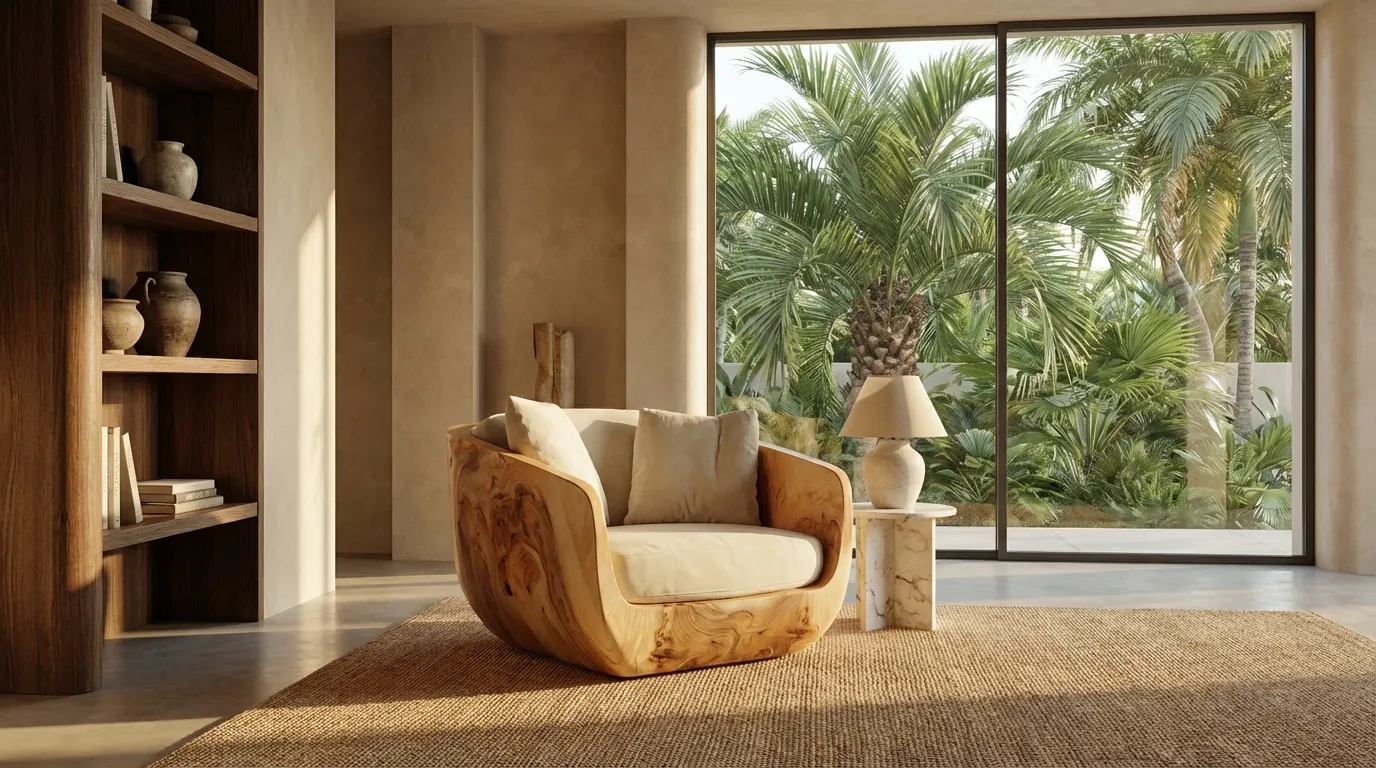
Material choice plays an important role in how side tables relate to sofas and armchairs. Wooden side tables often work well across a wide range of upholstery styles because they introduce warmth and texture. Coordinating wood tones with other furniture elements helps reinforce visual continuity. This does not require exact matching but rather a sense of material harmony within the room.
Coordinating Side Tables with Other Living Room Furniture
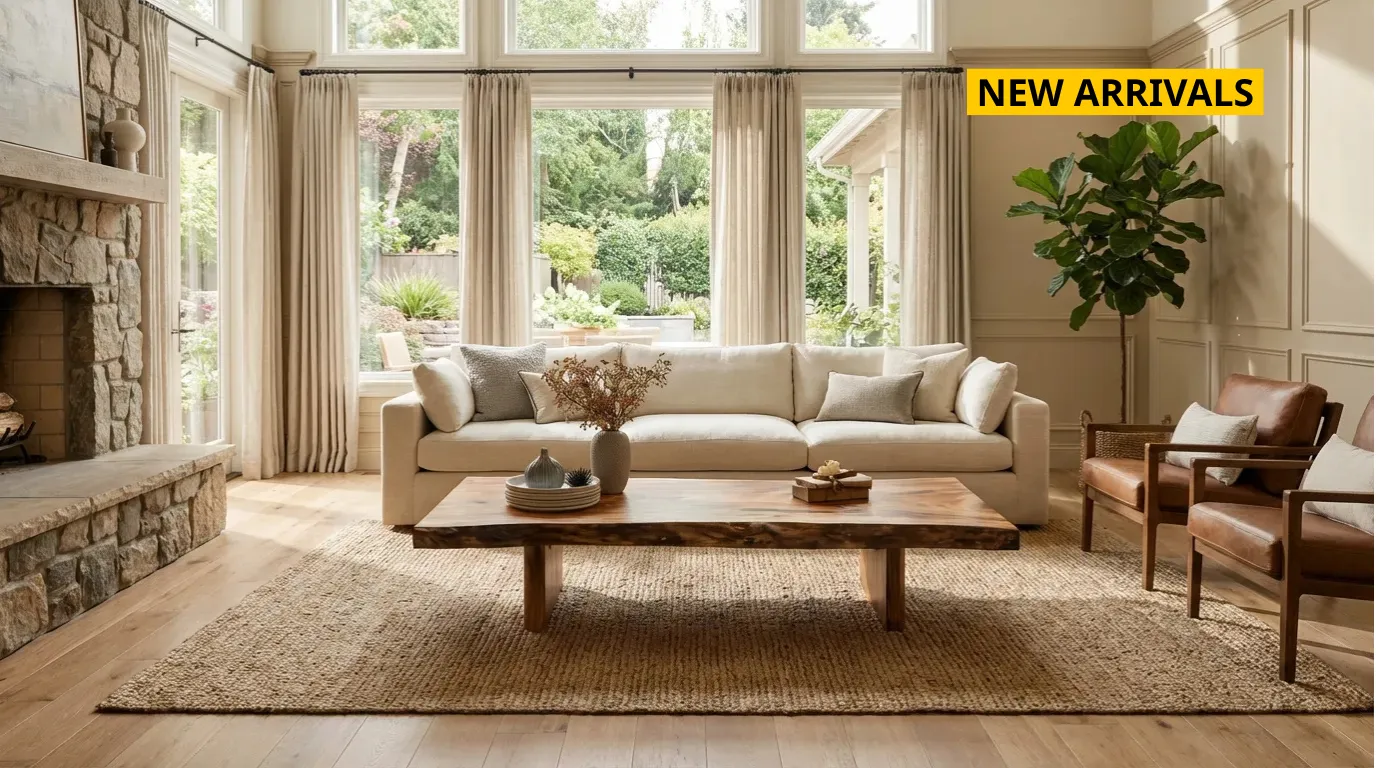
Side tables are part of a broader furniture system. Their relationship with other pieces influences how the entire living area feels. Aligning side tables with nearby furniture helps maintain a cohesive layout. In many living rooms, side tables complement coffee tables placed at the center of the seating area, reinforcing consistent proportions. When armchairs are used as secondary seating, pairing side tables with furniture from the chairs collection helps maintain visual alignment across the space.
Using Side Tables to Support Different Seating Arrangements
Seating arrangements vary from compact sofa setups to more expansive layouts with multiple armchairs. Side tables should adapt to these configurations rather than dictate them. In smaller spaces, a single side table may serve both a sofa and an adjacent armchair. In larger rooms, using individual tables for each seating position can improve comfort and balance.
Learning from the Pillar Guide on Side Table Selection
Matching side tables with seating works best when guided by a broader understanding of side table selection. Factors such as height, proportion, and placement should be considered together. For a complete overview of selecting side tables for everyday use, refer to the pillar article How to Choose Side Tables for Everyday Living Spaces, which explains foundational principles in greater detail.
Connecting Seating Layouts with Storage and Display Furniture
Side tables often interact visually with storage and display furniture in living spaces. Understanding how these elements work together supports a more cohesive interior plan. The Wooden Bookshelves blog category offers additional insights into coordinating furniture proportions and placement across shared living areas.
Conclusion: Creating Comfortable and Cohesive Seating Areas
Matching side tables with sofas and armchairs requires attention to height, proportion, material, and placement. When these elements align, seating areas feel more comfortable, accessible, and visually balanced. Explore available options in our side tables collection to find designs that integrate naturally with sofas and armchairs in everyday living spaces.