
What lighting balance means in interior design
Lighting balance does not mean equal brightness in every corner of a room. Instead, it refers to how light is distributed to support both function and visual comfort. A balanced lighting plan allows some areas to feel brighter and more active, while others remain softer and more relaxed. Most interiors rely on three lighting layers: ambient lighting for general visibility, task lighting for focused activities, and accent lighting to add depth. Wooden lamps often sit between task and accent lighting, making them especially useful for refining light distribution without overwhelming the space.
Why wooden lamps support visual comfort
Wood has natural light-softening properties. Compared to metal or glass, wooden lamp bases and structures absorb and diffuse light in a subtler way. This reduces glare and sharp contrast, which helps prevent visual fatigue in spaces used for long periods of time. Wooden lamps also visually connect lighting with surrounding furniture. When wood appears consistently across floors, tables, or shelving, lamps feel integrated rather than decorative add-ons. This material continuity supports a more balanced and cohesive interior.
Layering wooden lamps with overhead lighting
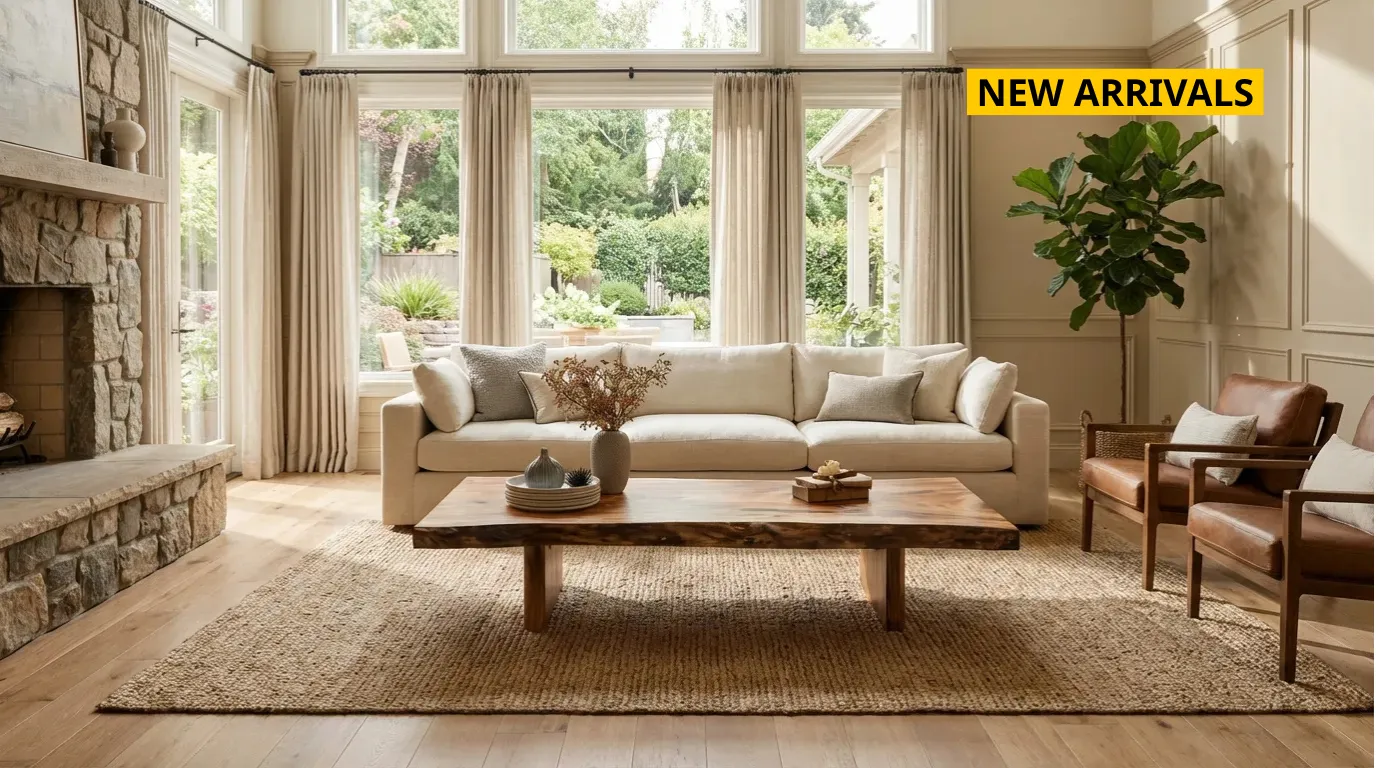
Ceiling lights alone often create flat illumination. Wooden lamps help introduce variation by adding light at lower levels. This layered approach improves depth and allows different zones within a room to function independently. In living areas, pairing wooden lamps with furniture from the Coffee Tables collection helps establish comfortable seating zones. A lamp placed near a table provides practical light for reading or conversation while reducing reliance on overhead fixtures.
Using wooden lamps to define functional zones
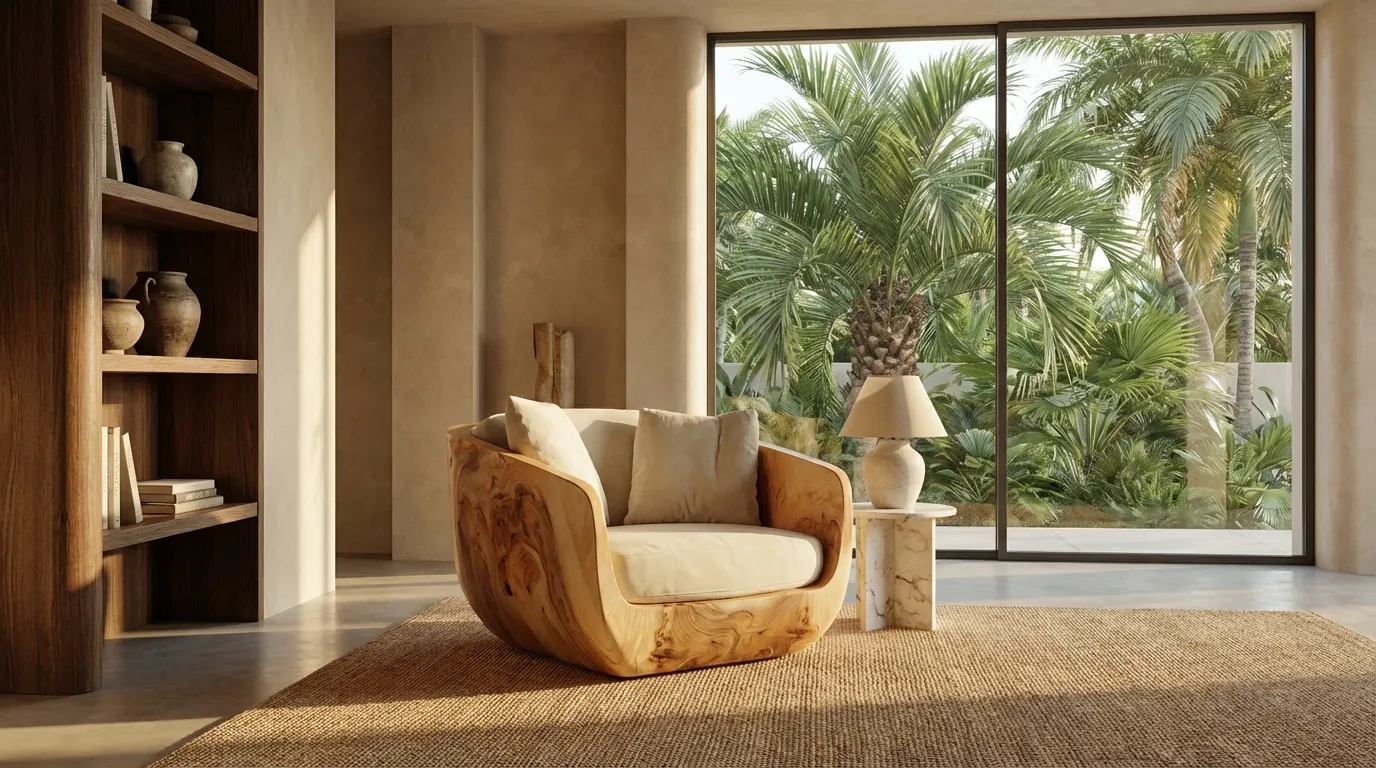
In open-plan interiors, lighting becomes a key tool for spatial organization. Wooden lamps can subtly define functional zones without physical partitions. A floor lamp beside a chair signals a reading area, while a table lamp near a side surface supports casual activities. Wooden lamps work especially well alongside furniture from the Side Tables collection, where localized lighting enhances usability while maintaining visual balance across shared spaces.
Balancing lamps with vertical elements
Tall furniture and vertical surfaces often create uneven light distribution. Without proper lighting, these areas may feel heavy or underutilized. Wooden lamps placed nearby can soften shadows and improve visual clarity. Positioning lamps near pieces from the Bookshelves collection helps balance vertical mass with gentle illumination, making storage areas more functional and visually integrated into the room.
Choosing appropriate lamp height and scale
Scale plays a major role in lighting balance. A lamp that is too small may fail to provide sufficient light, while one that is too large can dominate the space visually. Wooden table lamps generally work best when the light source aligns with seated eye level. Floor lamps should rise above surrounding furniture but remain visually connected to it. Maintaining proportion ensures that wooden lamps contribute to balance rather than disrupting the interior composition.
Lighting balance in bedrooms and resting areas
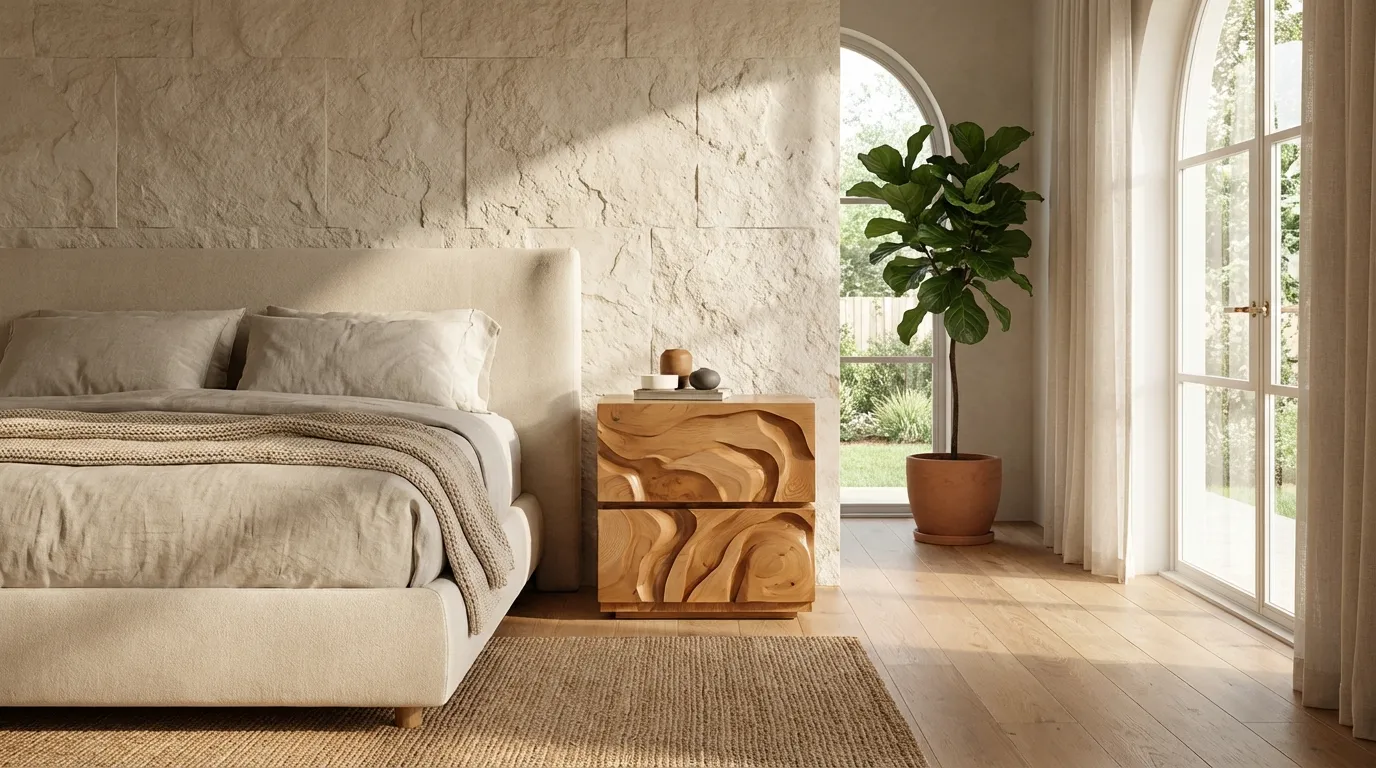
Bedrooms require softer lighting transitions than social spaces. Wooden lamps help create calm, focused light that supports nighttime routines without overwhelming the room. They allow users to control brightness locally while keeping the overall atmosphere relaxed. When paired with furniture from the Nightstands collection, wooden lamps provide practical bedside lighting while maintaining a consistent visual rhythm across the space.
Managing brightness and light temperature
Lighting balance also depends on brightness and light temperature. Wooden lamps are typically most effective when paired with warm or neutral bulbs, which complement the natural tone of wood and create smooth transitions between lighting layers. Consistency in light temperature across fixtures prevents abrupt contrasts and helps interiors feel cohesive. This is especially important when multiple lamps are used within the same room.
Selecting cohesive wooden lamp designs
When using multiple lamps, consistency in material and form supports visual balance. While size can vary, choosing wooden lamps with related design language helps maintain unity across the interior. A curated selection from the Lamps collection allows you to align lighting choices with both functional needs and overall interior style.
Final thoughts on long-term lighting balance
Lighting balance is not static. As furniture layouts change and daily routines evolve, lighting needs shift as well. Wooden lamps offer flexibility, allowing adjustments without altering fixed lighting systems. By integrating wooden lamps thoughtfully into layered lighting plans, interiors gain comfort, adaptability, and long-term visual harmony.