
Understanding soft ambient lighting
Ambient lighting refers to the background illumination that allows a space to feel comfortable and usable without focusing on specific tasks. Soft ambient lighting, in particular, avoids strong contrasts and sharp glare. It creates an even, gentle glow that supports relaxation and visual comfort. Wooden lamps are especially suitable for this purpose because wood naturally softens light. Unlike reflective materials, wooden lamp bases help diffuse illumination, making the light feel warmer and less direct. Proper placement ensures this effect is maximized.
Placing wooden lamps in living room corners
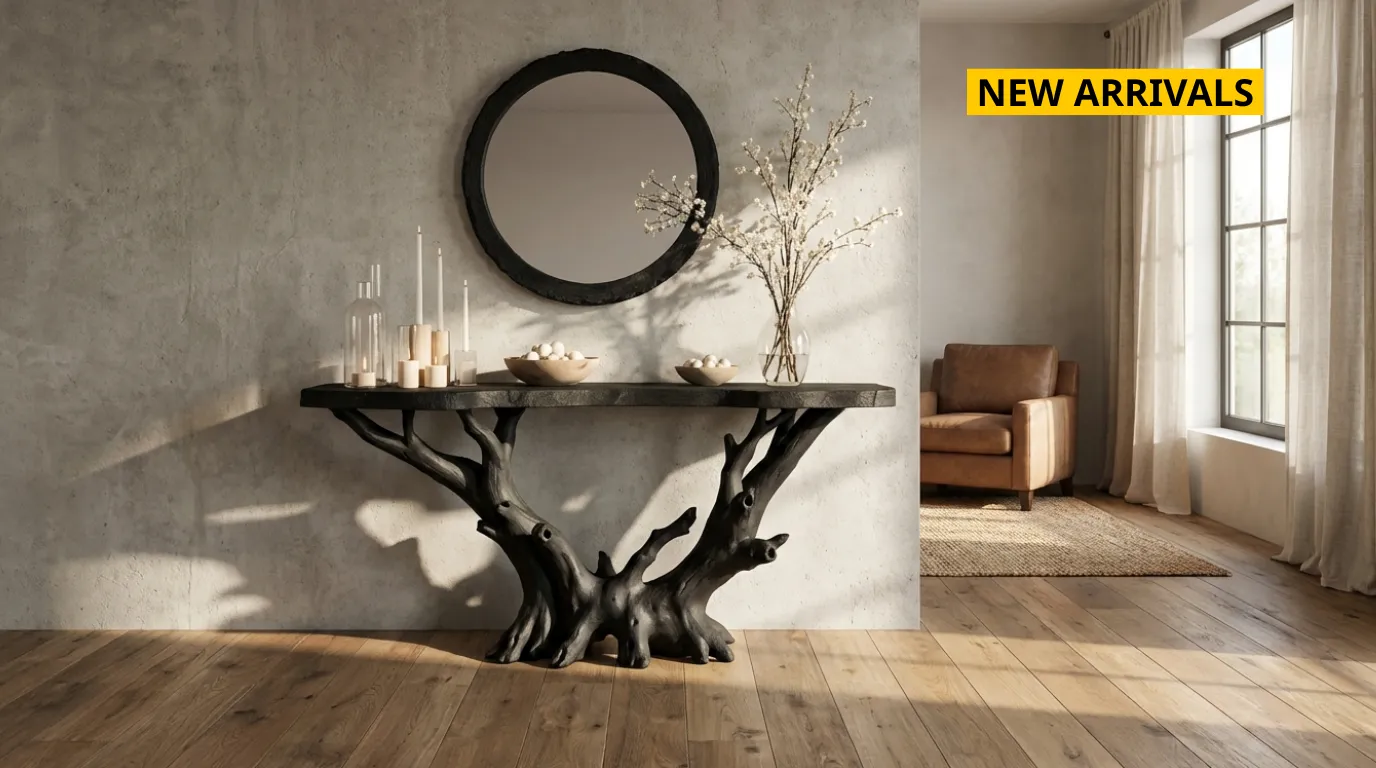
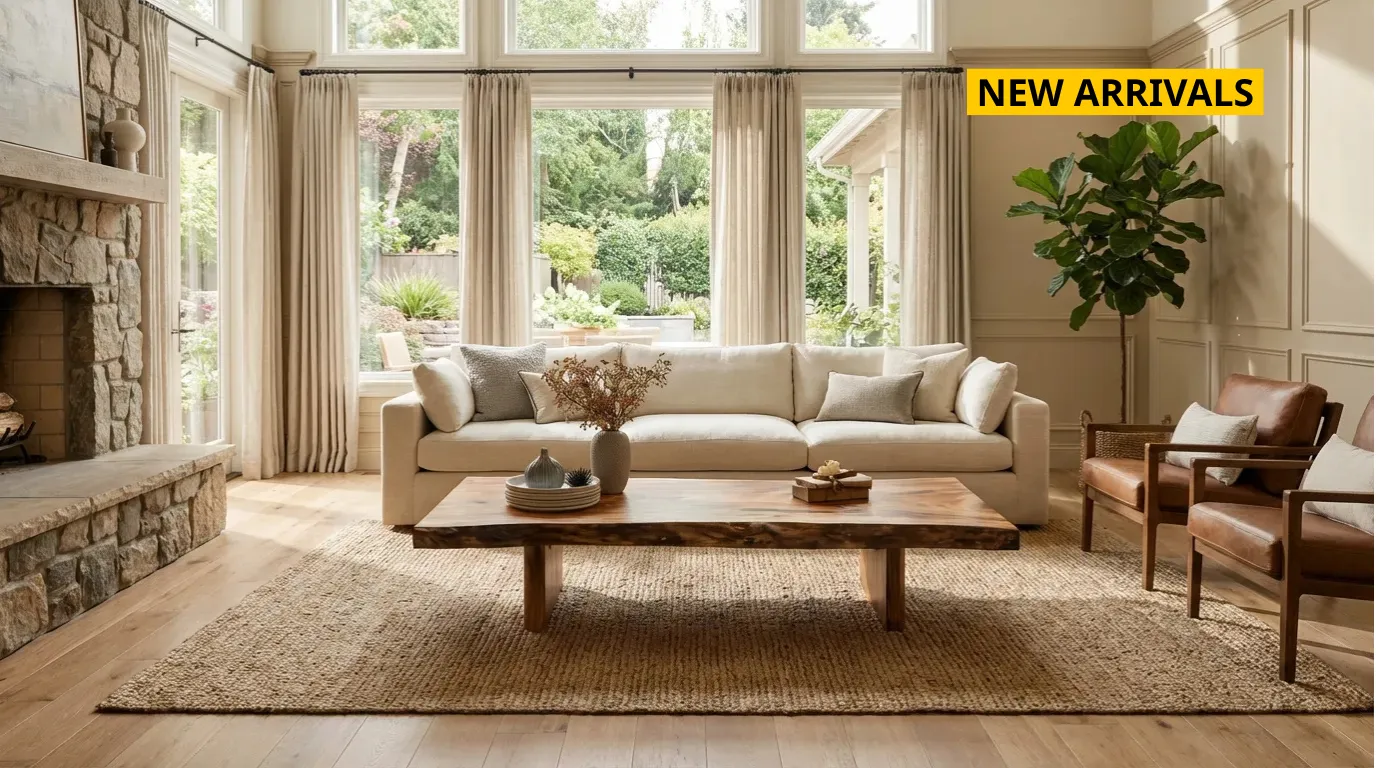
One of the most effective locations for soft ambient lighting is the corner of a living room. Corners often remain underlit when relying solely on ceiling fixtures. A wooden floor lamp placed in a corner helps fill this gap, distributing light outward and reducing contrast between walls. When positioned near furniture from the Coffee Tables collection, wooden lamps help define seating areas while maintaining a relaxed atmosphere. This placement supports ambient lighting without creating a strong focal point.
Using wooden lamps beside seating areas
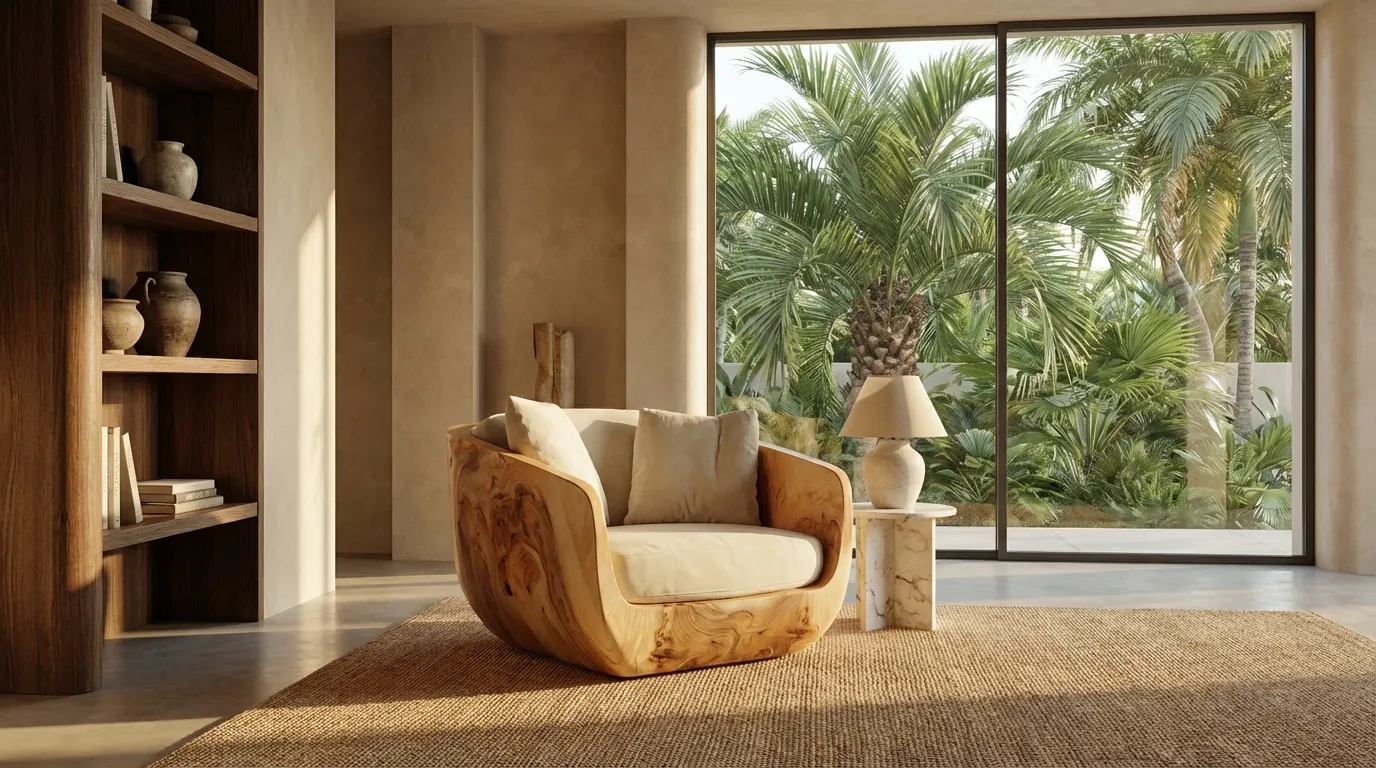
Placing wooden lamps beside sofas or chairs introduces ambient light at eye level, which is more comfortable than overhead illumination. This placement works well for evening use, when softer lighting is preferred over bright ceiling lights. Wooden lamps positioned near pieces from the Chairs collection help visually anchor seating zones. The light spreads gently across nearby surfaces, creating a sense of enclosure and comfort without isolating the space.
Positioning lamps near vertical furniture
Tall furniture and vertical elements can create uneven lighting if left unaddressed. Wooden lamps placed nearby help soften shadows and balance light distribution. This approach is especially useful in spaces with shelving or display units. For example, placing a wooden lamp adjacent to items from the Bookshelves collection provides subtle illumination that enhances visibility while preserving a calm ambient glow. The light gently washes vertical surfaces instead of spotlighting them.
Placing wooden lamps on side surfaces
Side surfaces are ideal locations for wooden table lamps that contribute to ambient lighting. Unlike task-oriented placement, ambient-focused lamps on side surfaces should not aim directly at work areas. Instead, they should disperse light outward into the surrounding space. When paired with furniture from the Side Tables collection, wooden lamps create a layered lighting effect that enhances depth without overpowering the room. This placement works particularly well in living rooms and transitional spaces.
Using wooden lamps in bedrooms for ambient comfort
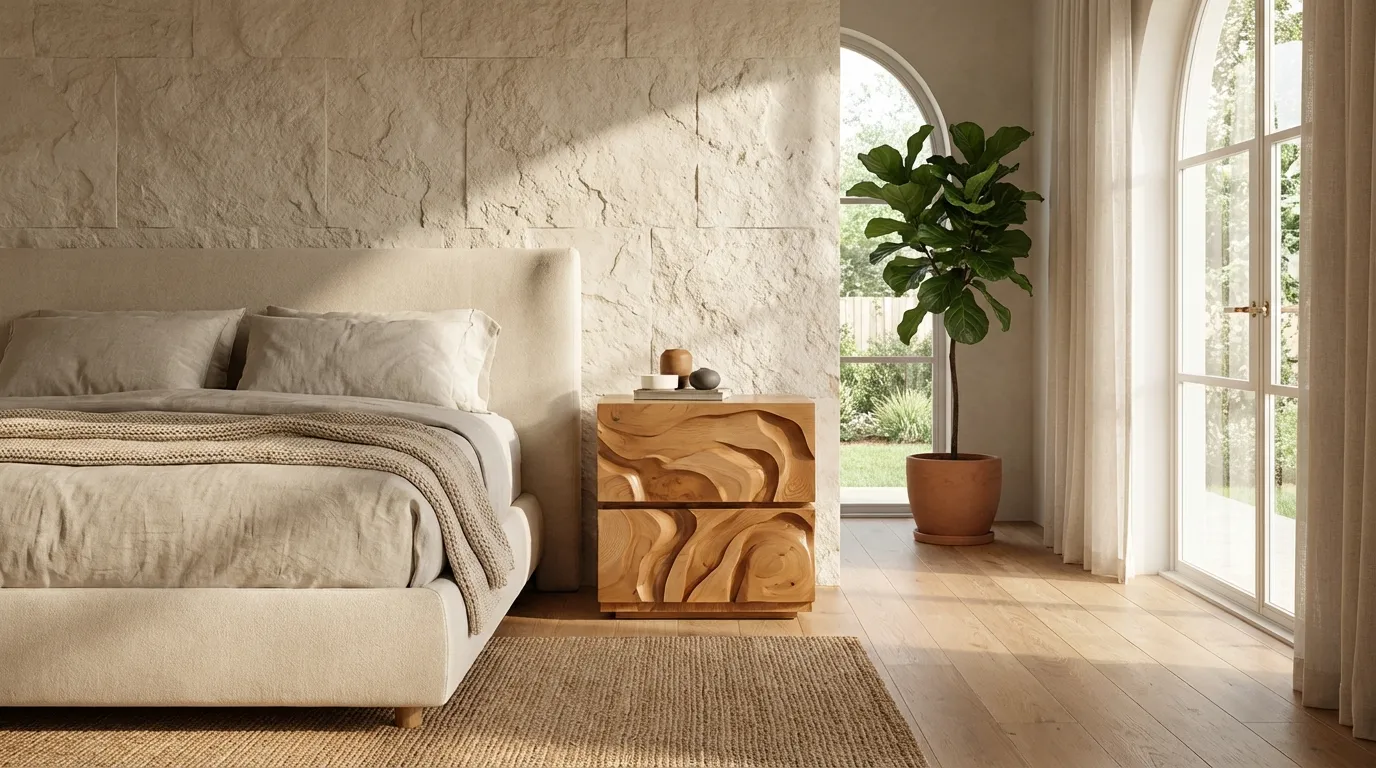
Bedrooms benefit greatly from soft ambient lighting. Harsh overhead lights can feel disruptive, especially in the evening. Wooden lamps placed strategically help create a calm environment that supports rest and relaxation. Positioning wooden lamps near bedside furniture from the Nightstands collection provides gentle illumination that fills the room without directing light toward the eyes. This placement ensures that ambient light remains consistent and soothing.
Avoiding common placement mistakes
While wooden lamps are versatile, improper placement can reduce their effectiveness. Avoid placing lamps directly in line with strong reflective surfaces, as this can create unintended glare. Similarly, clustering too many lamps in one area can result in uneven brightness elsewhere. For soft ambient lighting, spacing is key. Lamps should be distributed evenly throughout the room, allowing light to overlap gently rather than compete.
Considering lamp height and shade direction
Lamp height and shade design influence how ambient light spreads. Wooden floor lamps with upward or diffused shades tend to create broader ambient light, while downward-facing shades are better suited for task lighting. For ambient purposes, choose placements that allow light to reflect softly off walls and ceilings. This indirect approach enhances overall brightness without creating harsh focal points.
Coordinating ambient lighting with overall interior design
Soft ambient lighting should complement the overall interior design rather than stand apart from it. Wooden lamps work best when their placement aligns with furniture layout and circulation paths, reinforcing the natural flow of the space. For more insights into coordinating lighting with furniture and layout, the How To Use Wooden Lamps For Interior Lighting Balance offers additional perspectives on achieving cohesive interiors.
Final thoughts on placing wooden lamps
Proper placement is essential for achieving soft ambient lighting with wooden lamps. By positioning them in corners, beside seating, near vertical furniture, and on side surfaces, you can create a balanced and inviting atmosphere throughout your interior. Thoughtful placement allows wooden lamps to enhance comfort, reduce visual strain, and support a calm living environment without relying on excessive overhead lighting.