
Understanding space limitations in small interiors
Small dining and kitchen areas often have limited floor space and tight circulation paths. Adding bulky storage furniture can disrupt movement and make the room feel crowded. Wine storage solutions in these environments must be compact, intentional, and well-integrated. Rather than treating wine storage as a separate element, it is often more effective to incorporate it into existing furniture layouts. This approach allows bottles to be stored conveniently without overwhelming the space.
Using vertical wine storage to save floor space
Vertical storage is one of the most effective strategies for small interiors. Wall-mounted or tall wine holders allow bottles to be stored upward instead of outward, preserving valuable floor area. Vertical designs also make it easier to fit wine storage into narrow wall sections or unused corners. Choosing compact designs from the Wine Holders collection allows homeowners to store bottles efficiently while maintaining a streamlined appearance suitable for small dining or kitchen spaces.
Integrating wine storage with dining furniture
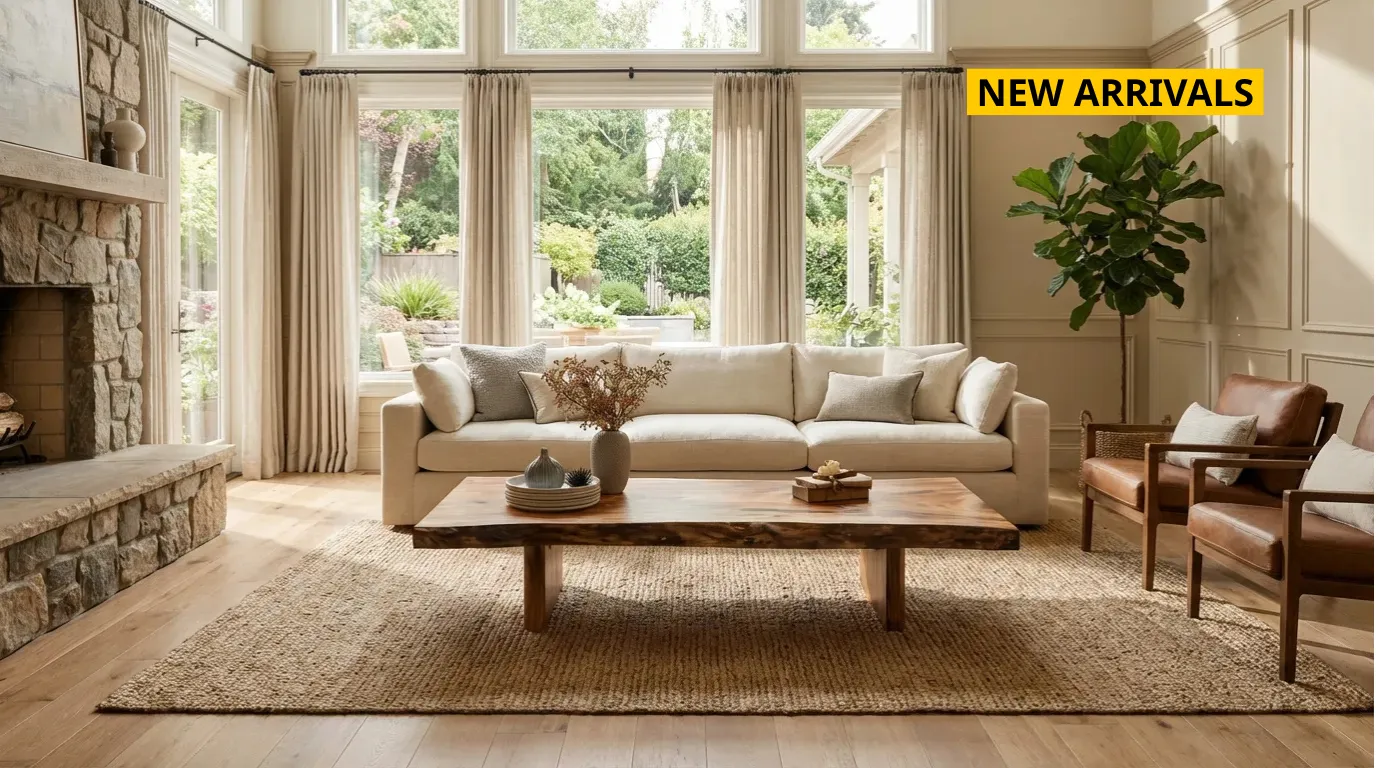
In dining areas with limited square footage, combining wine storage with dining furniture helps reduce the need for additional units. Wine holders placed near or beneath dining surfaces keep bottles accessible while supporting serving routines. When paired thoughtfully with pieces from the Dining Tables collection, wine storage becomes part of the dining setup rather than a separate feature, supporting both functionality and visual continuity.
Compact wine storage in kitchen layouts
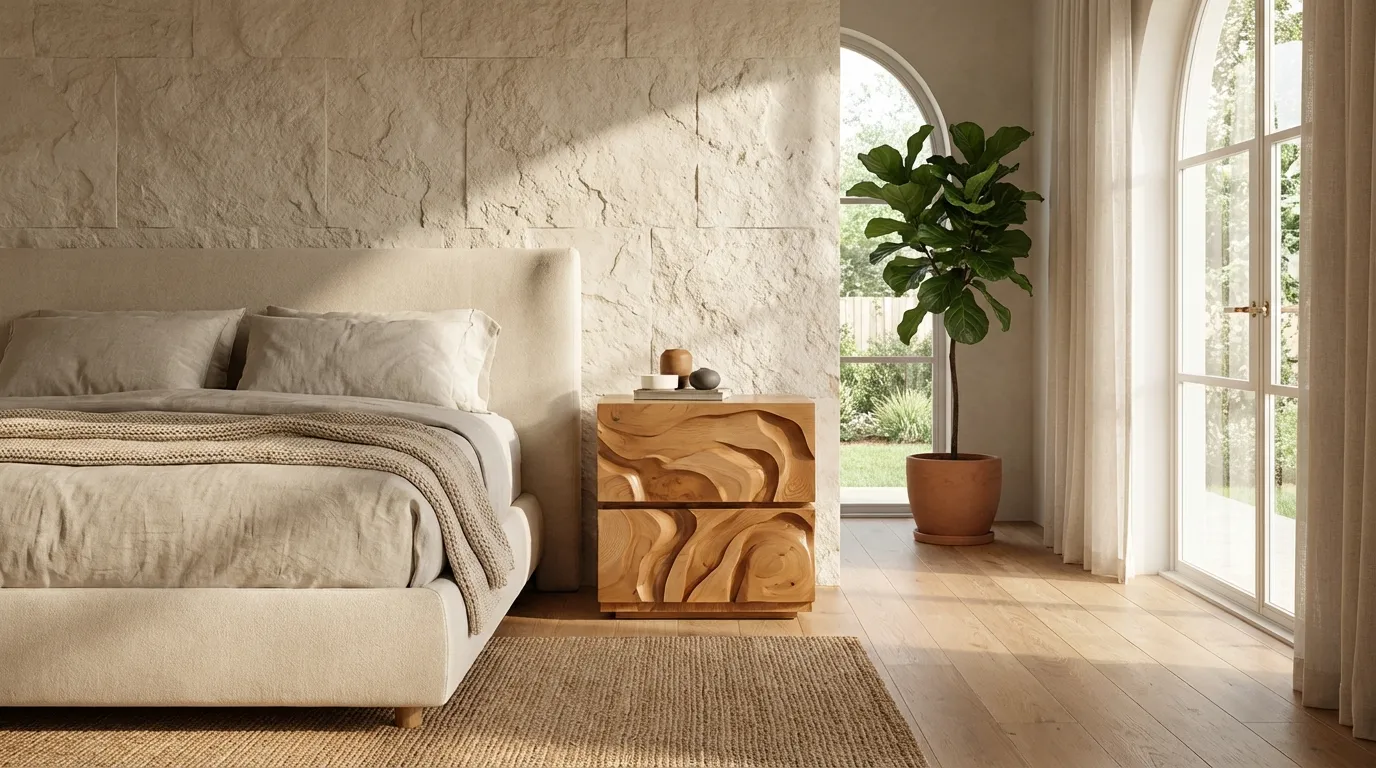
Kitchens often require storage solutions that do not interfere with cooking workflows. Wine storage in small kitchens should be positioned away from heat sources and high-traffic prep zones. Compact wine holders work well in corners, under counters, or along unused wall sections. Positioning wine storage near auxiliary surfaces from the Side Tables collection can provide flexible placement options without permanent installation, making it easier to adapt layouts over time.
Using console surfaces for wine storage
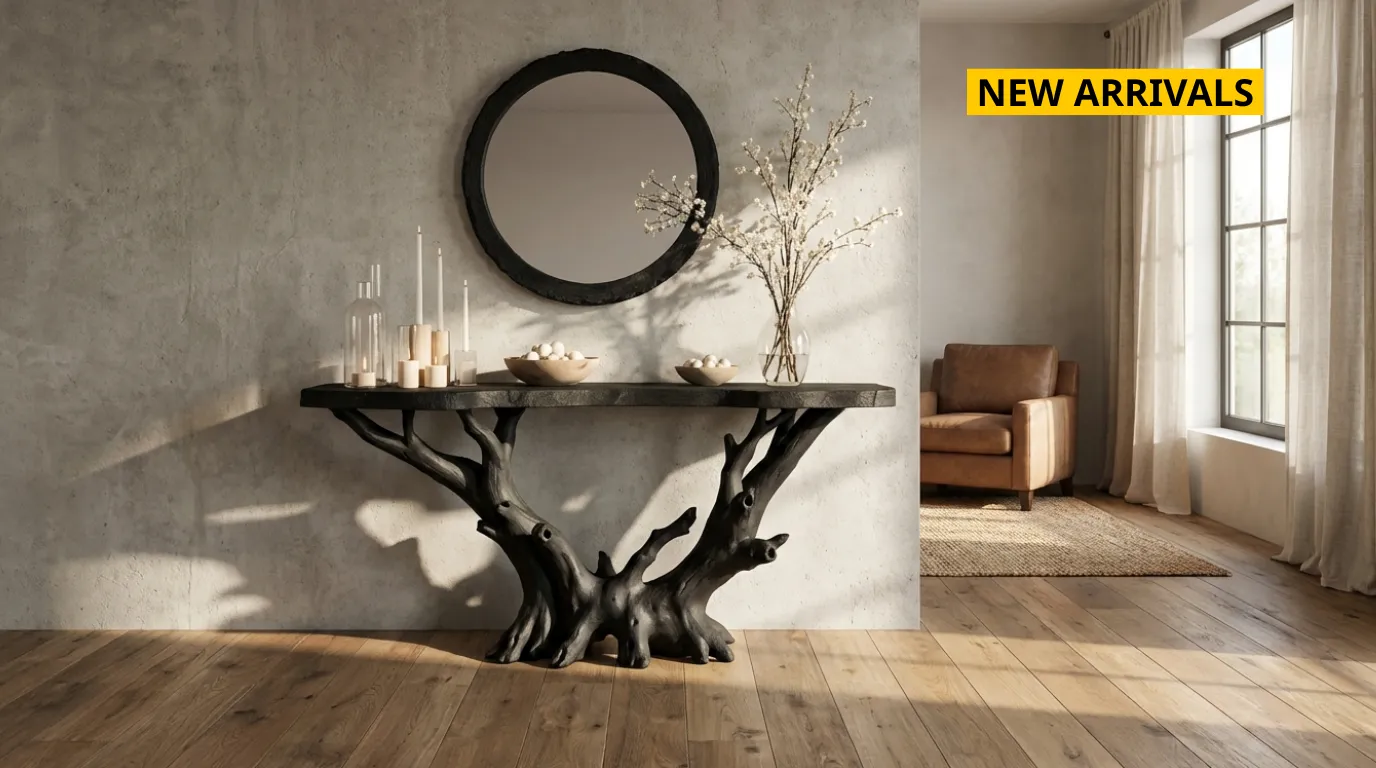
Console-style furniture offers shallow depth, making it ideal for small spaces. Wine storage placed on or near console surfaces can hold bottles without projecting too far into the room. This approach works particularly well in dining areas that transition into living spaces. When coordinated with furniture from the Console Tables collection, wine storage maintains a low visual profile while remaining easy to access during meals or gatherings.
Balancing storage capacity with visual openness
In small spaces, it is important to avoid overloading storage units. Wine holders should match realistic bottle quantities rather than maximum capacity. Overfilled storage can create visual clutter and make rooms feel tighter. Selecting appropriately sized wine holders helps maintain openness while still supporting everyday storage needs. This balance is especially important in kitchens and dining areas that serve multiple functions.
Horizontal vs vertical bottle placement
Horizontal bottle placement is commonly recommended for long-term storage, as it helps maintain cork moisture. In small spaces, however, vertical placement may be more practical for short-term or frequently accessed bottles. Choosing a mix of horizontal and vertical storage allows homeowners to adapt wine storage to space constraints while maintaining functional organization.
Maintaining accessibility in tight layouts
Accessibility is essential in small dining or kitchen spaces. Wine storage should allow bottles to be removed without shifting other items or blocking movement. Designs with open access and clear spacing reduce friction during everyday use. Thoughtful placement ensures that wine storage supports convenience rather than becoming an obstacle within compact interiors.
Coordinating wine storage with interior style
Even in small spaces, visual consistency matters. Wine holders should align with the overall material palette and furniture style to avoid appearing out of place. Wooden wine storage often works well because it blends naturally with dining and kitchen furnishings. For broader ideas on organizing compact interiors, the How to Choose Wine Holders for Home Bottle Storage offers additional insights into space-efficient furniture and layout strategies.
Adapting wine storage as needs change
Storage needs evolve over time. Small spaces benefit from flexible wine storage solutions that can be repositioned or resized as bottle quantities change. Modular or freestanding wine holders offer this adaptability without permanent installation. Regularly reassessing storage placement helps maintain functionality and prevents clutter from accumulating in compact dining or kitchen areas.
Final thoughts on wine storage for small spaces
Effective wine storage in small dining or kitchen spaces requires careful consideration of placement, capacity, and integration with existing furniture. By using vertical space, compact designs, and coordinated furniture layouts, it is possible to store wine efficiently without sacrificing comfort or visual balance. Thoughtful wine storage supports both daily use and long-term organization, even in the most space-conscious interiors.